Rebuild Plumbing After the Eaton Fire: What Altadena Homeowners Should Know
Rebuild plumbing is one of the bigger pieces of any home reconstruction. For Altadena homeowners working through Eaton Fire rebuild planning, this guide explains scope, permit timeline, GC coordination, and how to evaluate plumbers for rebuild work.
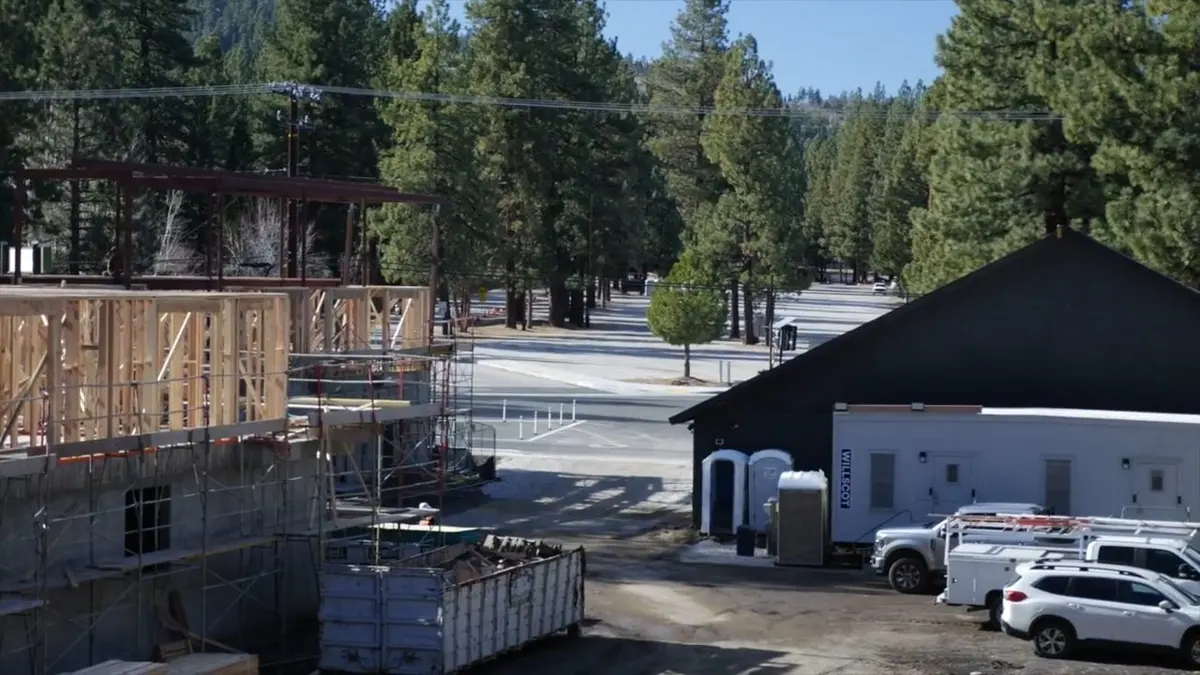
The recovery and rebuild process after the January 2025 Eaton Fire is ongoing across Altadena. Many homeowners are now well into planning, permitting, or active construction. Plumbing is one of the substantial pieces of any home rebuild, and homeowners reasonably want to understand what's involved before they're committing budget and timeline.
This guide covers the practical questions we hear most often from Altadena homeowners about rebuild plumbing. It's written to help you make informed decisions about scope, timing, and contractor selection. We work this kind of project across west Altadena and the surrounding affected areas, and we've tried to make the information here as honest and useful as possible.
What rebuild plumbing scope typically includes
A full home rebuild involves substantially more plumbing scope than typical remodel work because nearly everything is being installed new. The standard scope includes:
New water service line from the meter to the house. The original service line is often damaged or contaminated and replaced as part of the rebuild. New service lines are typically polyethylene or PEX rated for direct-buried service, with a clean tie-in at the meter side and a code-current entry into the house.
Interior supply rough-in. All new PEX or copper running from the main entry through walls and floors to each fixture location. Rough-in happens during framing before drywall, with supply stubs at every sink, toilet, shower, tub, and other fixture location.
Interior drain rough-in. All new PVC drain and vent piping running from each fixture to the main sewer lateral. Drain rough-in happens at the same time as supply rough-in. Vent stacks penetrate the roof and tie into the overall venting system.
Sewer lateral connection from the new house drains to the existing or new sewer lateral. In many cases the sewer lateral from the previous home is still serviceable and can be reused; in others it needs replacement.
Gas line installation from the meter to all gas appliances: water heater, range, dryer, furnace, fireplace, outdoor kitchen, pool heater. Gas lines for new construction are typically steel or CSST (corrugated stainless steel tubing) sized for actual appliance demand.
Water heater installation. New construction usually triggers tankless installation for energy code compliance, though tank water heaters are still allowed in some configurations. We covered the tank vs tankless decision in our tankless conversion post.
Fixture finish installation. Faucets, showerheads, toilets, sinks, tubs, garbage disposal, dishwasher connection, ice maker line, washing machine connections. Finish work happens after walls and floors are done.
Backflow protection for any irrigation system being installed. New irrigation almost always requires backflow protection per California Title 17.
Permit timeline and process
For Altadena rebuilds, plumbing permits go through LA County Department of Public Works since most of Altadena is unincorporated. The process has predictable steps but can take longer than homeowners expect, so factoring lead time into project planning matters.
Plumbing permits are typically submitted as part of the overall building permit package by your general contractor. The general permit covers structural, electrical, plumbing, and mechanical scope. Submission happens once construction documents are complete.
Plan review by LA County for residential rebuilds has typically been running several months from submission to permit issuance, depending on workload and the specific scope of the rebuild. Wildfire rebuilds may have streamlined processes; ask your contractor about current timing.
After permits are issued, inspections happen at standard stages: trench inspection for buried utilities, rough-in inspection after framing and rough plumbing is in but before insulation and drywall, and final inspection at project completion.
The single biggest time-saver in the permit process is having complete, clean construction documents at submission. Incomplete or unclear documents trigger requests for correction that add weeks or months. Your architect and GC should manage this; if you're owner-managing, plan extra time.
Coordinating with your general contractor
For most rebuilds, the GC manages plumbing as a subcontract under the overall project. Two common arrangements:
GC-selected plumber as part of their team. The GC has working relationships with plumbers they trust and bring as part of their crew. This is the most common arrangement for rebuilds and works well when you trust the GC's selection.
Owner-selected plumber brought into the project. Some homeowners prefer to select plumbing (and sometimes electrical) directly rather than accepting the GC's default subs. This works if the GC is willing to coordinate with the owner-selected sub and if the plumber is comfortable working within the GC's project management process.
Either arrangement is reasonable. The important thing is clear communication between GC, plumber, and homeowner about scope, timeline, change orders, and quality expectations.
Questions to ask plumbers about rebuild experience
Not every residential plumber has experience with full rebuild scope. Most plumbers focus on repair work and partial remodels. Rebuild scope is closer to new construction and benefits from plumbers who've done that work before. Useful questions to ask candidates:
How many home rebuilds have you completed in the past 2 years? Numbers under 3-5 suggest limited experience; numbers over 10 suggest a regular pattern.
Are you working with other rebuilds in Altadena right now? Active references from other homeowners in similar circumstances give you a useful reality check.
How do you handle change orders if the GC requests scope changes during the project? Clear documentation, fair pricing, and prompt response separate good subs from problematic ones.
What's your typical timeline from rough-in to final inspection? Realistic numbers in the 4-8 week range depending on scope; significantly faster claims warrant follow-up questions.
How do you handle code questions or unusual situations? Plumbers with new construction experience know when to escalate to inspectors before doing work that might not pass; less experienced subs may build then discover problems.
Have you worked with LA County DPW recently? Familiarity with the local permit and inspection process saves real time.
Code-current systems and what they mean
New construction triggers current California Plumbing Code requirements that may be more stringent than what was in the original home. Some changes that affect rebuilds:
Energy efficiency requirements drive water heater sizing, hot water recirculation considerations, and tankless adoption.
Water conservation requirements specify maximum fixture flow rates and may affect fixture selection.
Earthquake safety requirements specify gas line shut-off valves and water heater strapping.
Backflow protection requirements apply to any irrigation, pool, or hose-connected systems.
None of these are difficult to comply with, but they may add modest cost relative to a basic replacement of original systems. Code-current systems also typically have longer service lives and lower operating costs over time.
Working with insurance and budget
Most rebuild insurance settlements include allowances for plumbing scope. The actual rebuild cost may exceed the allowance depending on home size, fixture selection, and code-current upgrade requirements. Common situations:
Insurance allowance assumes basic fixtures and standard scope. Upgrades to higher-end fixtures, tankless water heater conversion, or expanded plumbing (additional bathrooms, outdoor kitchen) typically come from homeowner contribution beyond the insurance.
Code-required upgrades from the original home should generally be covered by insurance, but verification with your adjuster matters. Documentation from your plumber explaining specific code requirements helps support these claims.
Itemized estimates that clearly separate code-required scope from optional upgrades make the insurance conversation cleaner.
Bottom line for rebuild planning
Rebuild plumbing is substantial scope that's manageable with good planning. The key elements: clear construction documents at permit submission, realistic timeline expectations including permit lead times, clear coordination between GC and plumber, and selection of a plumber with actual rebuild experience.
For Altadena rebuilds, we're available to discuss scope and timing, work with your GC, or come on as your plumbing sub for the rebuild. Call (626) 687-0217 to schedule a planning conversation. New water line installation, gas line services, and full residential plumbing for new construction are all part of our regular work.