Gas Line Services in Altadena, CA
Leak detection, repair, new gas line installation, and appliance hookups. Black iron and CSST work, LA County permitted, code-compliant across the SGV.
If you smell gas right now: leave the house, don't touch switches or phones inside, call SoCalGas emergency at 1-800-427-2200 and 911. Call us after the gas is shut off.
Gas line services cover the natural gas distribution system from the meter to every gas-burning appliance in your home: water heater, range, dryer, pool heater, fire pit, outdoor kitchen, fireplace. The work splits into three areas: detecting and repairing leaks on existing lines, installing new lines for added or relocated appliances, and modifying gas systems during remodels or renovations. All of it is code-controlled, permitted, and pressure-tested before being put back into service. We work with black iron pipe and CSST flexible tubing as appropriate.
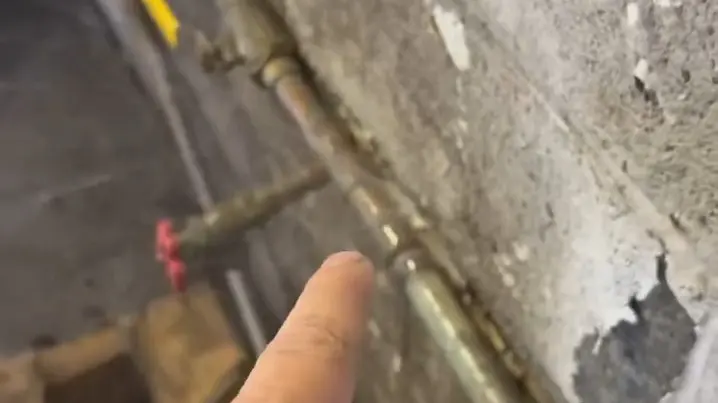
Where gas lines run in your home
Understanding the system helps with diagnosis. The gas main from the street arrives at your gas meter, which is usually on the side of the house. From the meter, a main supply line distributes to each gas appliance through branch lines. Each appliance has a shutoff valve where the branch line connects to the appliance.
The main supply line is typically 3/4 inch black iron pipe in older Altadena homes, sized larger in newer construction or homes with multiple high-demand appliances (tankless water heaters, pool heaters, outdoor kitchens). Branch lines step down to 1/2 inch for most appliances, with appliance shutoff valves at the connection point.
SoCalGas owns and maintains everything from their distribution system up to and including the meter. Everything downstream of the meter is on the property owner. That's the area we work in.
How we detect gas leaks
Gas leak detection uses three methods in combination.
Electronic combustible gas detectors
Handheld detectors that respond to methane (natural gas) concentrations in surrounding air. We sweep the detector along piping runs to find areas with elevated readings, which indicate a leak in the immediate vicinity.
Pressure testing
Isolating a section of gas line and pressurizing it to 10-30 PSI with air or inert gas, then watching the pressure gauge for any drop over time. A holding pressure means the section is tight; a dropping pressure means there's a leak somewhere in the isolated section.
Soap solution at fittings
The classic localization method. Applying soap solution at threaded joints, valve stems, and union connections produces visible bubbles where gas is escaping. Used after detector and pressure testing have narrowed the search.
The combination identifies the leak point within inches, so repair openings (where in-wall or in-ceiling work is needed) are small and targeted.
Repair and installation work we handle
Gas work runs the gamut from small repairs to whole-house repipes.
Leak repair
Most leaks occur at threaded fittings that have backed off slightly over decades. The fix is shutting off the gas at the section valve, draining the section, re-doing the joint with fresh pipe sealant (yellow Teflon tape or gas-rated pipe dope), pressure testing, and restoring service. Some leaks at corroded sections require replacing the affected pipe length.
Appliance shutoff valve replacement
Old appliance shutoffs that won't operate cleanly get replaced with modern quarter-turn ball valves that are reliable and easy to use.
New appliance gas line installation
Adding gas service for a new range, dryer, water heater (especially tank-to-tankless conversions that need larger gas supply), pool heater, fire pit, outdoor kitchen, or fireplace. We assess existing supply capacity, run new pipe, install the appliance shutoff valve, pressure test, pull the permit, and pass inspection.
Gas line repiping
For homes with aging or undersized gas distribution, full repipe replaces the existing system with appropriately sized new pipe. Common drivers include older home buyers adding modern gas-heavy appliances and homes where corrosion is causing recurring leaks.
Tank-to-tankless gas upsizing
Tankless water heaters burn 150,000-199,000 BTU compared to 30,000-40,000 BTU for a typical tank. The existing 1/2 inch gas branch to the water heater is usually too small for tankless. Upsizing the gas supply is part of every tank-to-tankless conversion we do.
Permits and code
All gas work in California requires a permit. For unincorporated Altadena, we file through LA County Department of Public Works. For Pasadena, Glendale, La Cañada Flintridge, and other incorporated SGV cities, we file with the respective municipal building department. The permit covers materials specification, pipe sizing for the connected load, pressure testing, and inspection.
After repair or installation work, we pressure test the system, document the test for the permit, and schedule inspection. After inspection passes, SoCalGas restores or activates service. The whole process typically takes 2-5 business days from work completion to gas-on, depending on inspection scheduling. SoCalGas publishes information on their service area procedures.
Cost of gas line work in Altadena
Typical price ranges (Altadena / SGV market, 2026)
Gas leak detection: $250 - $450.
Single fitting leak repair: $300 - $650.
Section pipe replacement (accessible): $450 - $1,200.
In-wall or in-ceiling gas line repair: $700 - $1,800.
Appliance shutoff valve replacement: $175 - $325.
New gas line for single appliance (range, dryer, water heater): $450 - $1,500.
Tank-to-tankless gas upsize (in-wall): $850 - $2,200.
Pool heater or outdoor kitchen gas run: $1,500 - $4,500 depending on length and routing.
Whole-house gas repipe: $3,500 - $8,500.
Permit fees are included in our pricing. Final price depends on access, pipe routing, and existing system condition. We give a firm quote after assessment.
Other gas-related work we handle
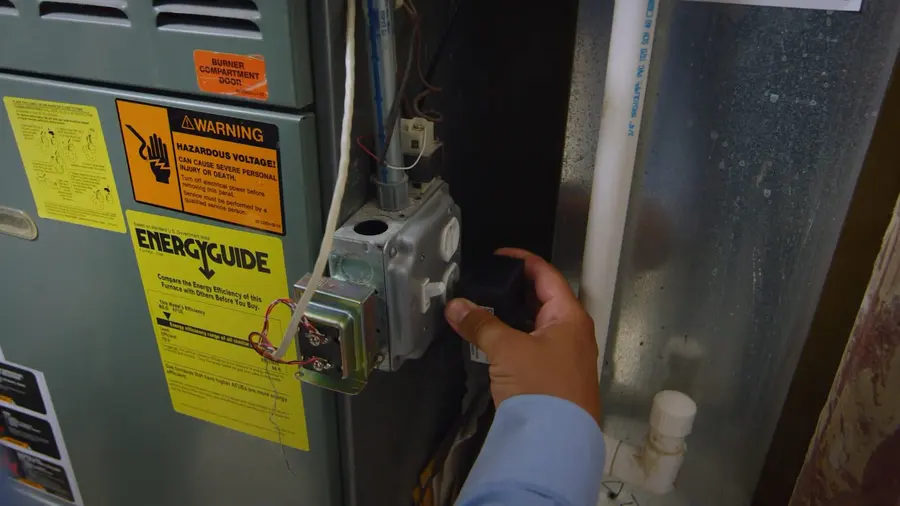
Beyond core gas line services, we coordinate with HVAC contractors on furnace gas connections, install gas log lighters for masonry fireplaces, set up gas connections for whole-house generators, handle commercial gas line work for restaurants in the SGV (subject to additional commercial code requirements), and provide gas system inspections for real estate transactions. For specific California gas code requirements, the California Public Utilities Commission publishes regulations.
Frequently asked questions
I smell gas in my house. What do I do right now?
Leave the house immediately with everyone inside. Do not turn lights on or off, do not use phones inside, do not start cars in the garage. Once outside and away from the house, call SoCalGas at their 24-hour emergency line, 1-800-427-2200, and call 911. After SoCalGas shuts off the gas at the meter, then call us to find and repair the leak.
How do you find gas leaks?
We use electronic gas detectors (combustible gas detectors that respond to natural gas concentrations in air), pressure testing with gauges to isolate leaking sections, and soap solution at fittings to localize the leak point. The combination identifies the specific failure within feet, so repair openings are small.
What materials are used for residential gas lines?
Black iron pipe is the long-standing standard and remains common in Altadena homes. CSST (corrugated stainless steel tubing) is a more recent flexible alternative used in newer installations. Copper is sometimes seen on older gas lines but is no longer code-compliant for new installation in most California jurisdictions. We work with all three.
Do I need a permit to add or modify a gas line?
Yes. Any new gas line, line extension, or significant modification requires a plumbing permit. For unincorporated Altadena we file through LA County DPW. For incorporated cities (Pasadena, Glendale, La Cañada Flintridge) we file with the municipal building department. Permits require pressure testing and inspection before SoCalGas will turn on or restore service.
My gas range pilot keeps going out. Is it a gas line issue?
Usually not. Pilot outages typically point to a clogged pilot orifice, a failing thermocouple, or a drafty install location. If multiple gas appliances are misbehaving simultaneously, then gas pressure or supply could be the cause. We diagnose at the appliance first, then upstream if needed.
Can you install a gas line for a new range, dryer, or pool heater?
Yes. New gas line installation for ranges, dryers, water heaters, pool heaters, fire pits, and outdoor kitchens. We assess existing gas supply capacity, run new pipe, install a shutoff valve at the appliance, pressure test, and pull the permit. Same-day completion on most residential additions.
How much does gas line work cost in Altadena?
Gas leak detection runs $250-$450. Leak repair runs $300-$900 depending on access. New gas line installation for a single appliance runs $450-$1,500. Whole-house gas line repipe runs $3,500-$8,500. Pool heater and outdoor kitchen runs add cost based on length and routing. Permit fees are included.