Plumber for Mariposa Altadena
Mariposa Street's mature trees and early-1900s housing make this corridor a regular destination for sewer work, repipes, and old-bungalow plumbing.
Mariposa Street runs east-west through Altadena, one of the community's longer residential corridors. The blocks on and adjacent to Mariposa carry a heavy concentration of pre-1955 craftsman bungalows, cottages, and early ranches, with mature street trees creating the canopy that defines this part of Altadena. The plumbing on these blocks has its own story, and after working it for years, we know what to expect.
The Mariposa corridor in brief
Mariposa runs through both east and west Altadena, carrying residential character from one end of the community to the other. The west Mariposa blocks were affected by the January 2025 Eaton Fire; recovery and rebuild are ongoing in those sections. The eastern Mariposa blocks were less affected and continue with their established character.
The housing on Mariposa is mostly pre-1955 construction. Craftsman bungalows from the 1910s-1920s share blocks with English cottages, Spanish revival homes, and modest ranches from the 1940s-1950s. Mature canopy trees define the street, with the kind of growth that comes from a century of established planting. Beautiful for residents; consistent pressure on the underground utilities below.
What we see in Mariposa-area plumbing
The recurring calls cluster around three categories.
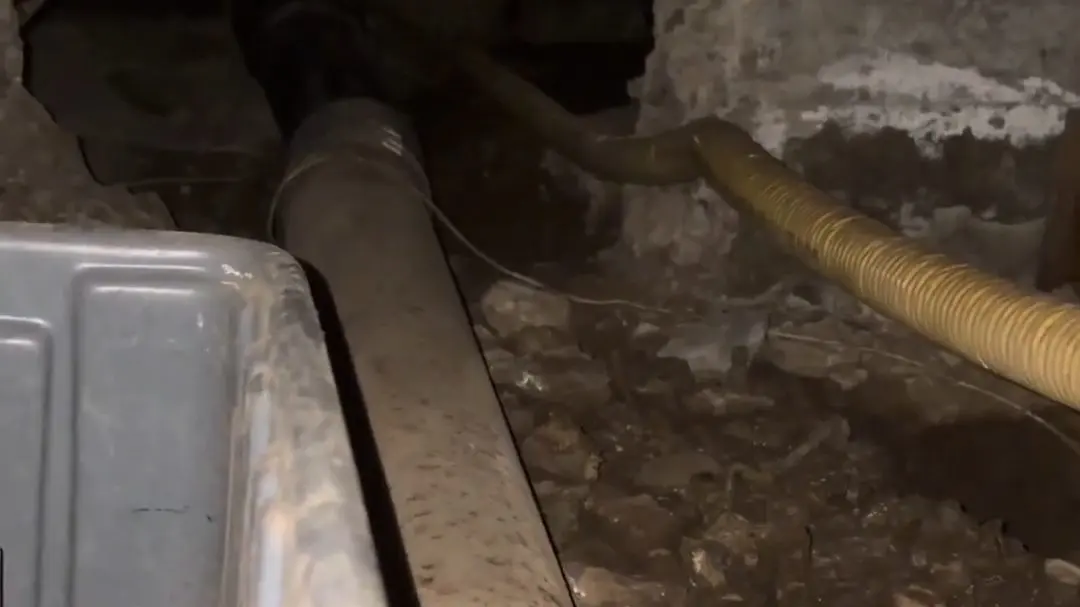
Sewer lateral work. Clay tile laterals from the original installs are at end of service life. Root intrusion from the mature street trees is the primary failure mode. Camera inspection identifies the failure type; trenchless replacement (pipe bursting or CIPP lining) handles most jobs while preserving the landscape and trees.
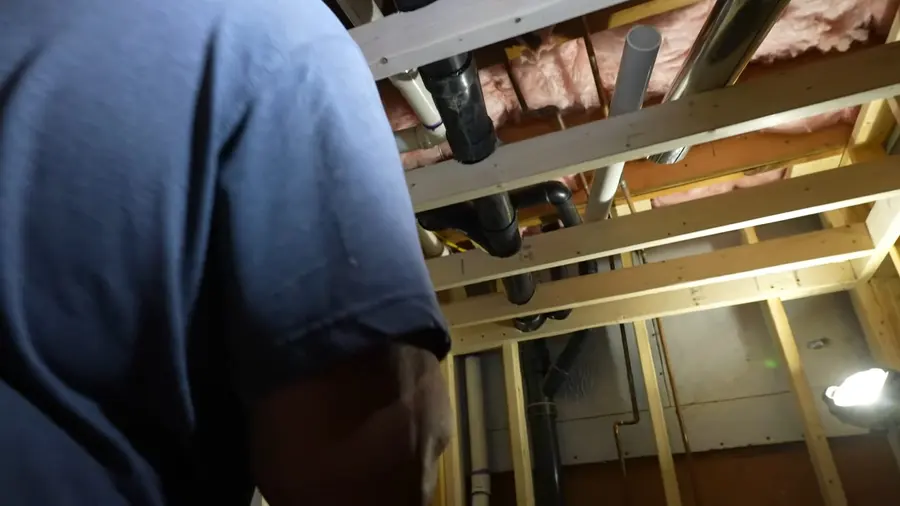
Repipe projects. Original galvanized supply lines in pre-1955 homes are 70-100+ years old. Pinhole leaks, rust-tinted hot water, and reduced pressure are signs that the system is reaching end of life. PEX or copper repipe ends the recurring leak cycle. Typical 2-3 bedroom repipe runs $5,500-$9,000.
Drain cleaning and emergency response. Recurring drain backups from root-intruded laterals are common before homeowners commit to full replacement. We clear with cable augering and hydro-jetting and explain the long-term picture.
Project-level work
Beyond emergency repair, the Mariposa-area work that requires planning includes whole-home repipes, sewer lateral replacement, and bathroom or kitchen renovation rough-ins. Many homeowners coordinate these projects together — repipe alongside a kitchen renovation, sewer replacement alongside landscaping changes — to minimize disruption and take advantage of overlapping access.
For rebuild work on the west Mariposa blocks affected by the fire, we work with homeowners and general contractors on full new-construction plumbing scope. Permits for unincorporated Altadena go through LA County DPW.
Frequently asked questions
Where is the Mariposa Altadena neighborhood?
Mariposa Street is one of Altadena's east-west residential corridors, running through both east and west Altadena. The Mariposa neighborhood refers to the residential blocks on and adjacent to Mariposa Street, which carry mature canopy trees and a heavy concentration of pre-1955 craftsman and bungalow homes.
What plumbing patterns are typical on Mariposa Street?
Mariposa-area homes are typically pre-1955 construction. The recurring plumbing patterns are original galvanized supply pipe failures (now 70-100+ years old), cast iron drain channelization and pinhole leaks, and clay sewer lateral failures aggravated by root pressure from the mature street trees.
Should I plan a repipe for my Mariposa home?
If your home still has original galvanized supply, yes, eventually. The pinhole leak pattern usually starts with one or two failures and accelerates from there. PEX repipe for a typical 2-3 bedroom Mariposa-area bungalow runs $5,500-$9,000 and ends the recurring leak cycle.
What about the trees and sewer laterals?
Mariposa Street's mature trees create real challenges for clay sewer laterals beneath. We see ongoing root intrusion as the primary failure mode. Trenchless replacement preserves the trees and landscape while installing pipe that resists future intrusion.