Tankless Water Heater Services in Altadena, CA
Installation, annual descaling, and repair for Rinnai, Navien, Rheem, Noritz, and Takagi tankless units. Hard water specialists for the SGV.
Tankless water heater services cover the full lifecycle of an on-demand hot water system: install, sizing, annual descaling maintenance, error code diagnosis, component repair, and replacement when the unit reaches end of life. In Altadena's hard foothill aquifer water environment, tankless units need more attention than they do in soft-water regions, but a properly maintained tankless lasts 18-22 years versus 8-12 for a tank. The math favors tankless for households planning to stay in their home long-term.
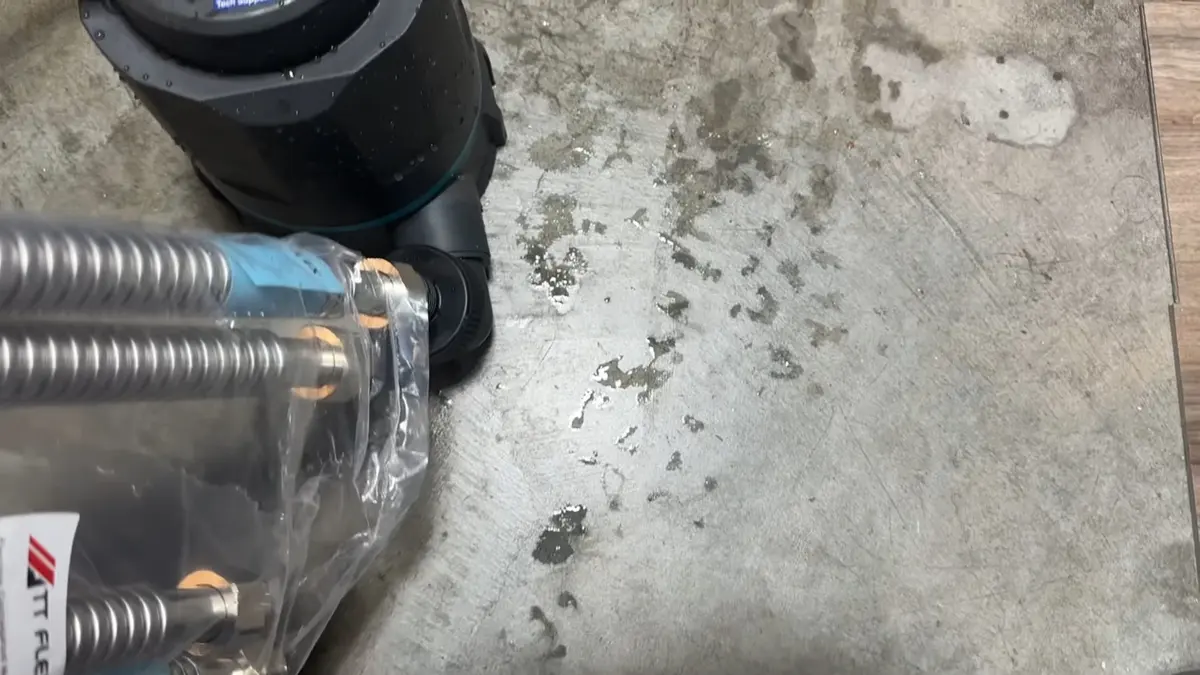
How tankless works and why it suits Altadena
A tankless water heater (also called on-demand or instantaneous) heats water as it flows through the unit, rather than storing hot water in a tank. When you open a hot water tap, a flow sensor inside the unit detects water movement and triggers the burner or electric element. The water passes through a heat exchanger and exits at your set temperature. Once you close the tap, the unit shuts off. There's no tank standing by, no standby heat loss, and no finite reservoir to drain.
For Altadena households, the practical benefits compound. The kid's bath doesn't drain the supply for the next shower. The deep soaking tub fills with sustained hot water. The simultaneous laundry-plus-shower combination that taxes a 40-gallon tank doesn't faze a properly sized tankless. And the wall-mounted footprint frees up garage space for storage.
The trade-off is upfront cost and maintenance discipline. Tankless costs 2-3x more to install than a comparable tank. And it requires annual descaling in Altadena's water environment to reach its potential service life. Skip descaling for several years and you can permanently damage the heat exchanger, turning a 20-year unit into a 5-year unit. Most failures we see on prematurely-failed tankless units in the SGV trace directly to missed maintenance.
Sizing tankless units for SGV homes
Tankless sizing is more critical than tank sizing because there's no buffer. A tank that's slightly small still gives you the first 30-40 gallons fast; a tankless that's undersized cuts temperature whenever simultaneous demand exceeds its rating. We size based on three factors:
Simultaneous fixture demand
Count the hot-water fixtures likely to run at once. A typical morning peak in a 4-person home might be two showers plus the kitchen sink — call it 4-5 GPM. The unit's continuous hot water output at the desired temperature rise needs to cover that peak.
Incoming cold water temperature
Tankless capacity ratings depend on temperature rise. Altadena's incoming city water sits around 55°F in winter and 65-70°F in summer. To deliver 110°F shower water in January, the unit has to add 55°F. The colder the inlet, the lower the GPM rating at output temperature. Some manufacturer-published ratings use warm inlet assumptions that don't apply here.
Gas supply capacity
A residential tankless burns 150,000 to 199,000 BTU at full fire. The home's gas meter and supply line need to deliver that, often alongside other gas appliances running simultaneously. Many older Altadena homes have undersized gas lines that need upsizing before a tankless install can perform correctly.
Tankless installation, descaling, and repair
The three core services we provide on tankless units, in order of frequency:
New installation and tank-to-tankless conversion
Most tankless installs in Altadena are conversions from existing tank units. We assess the gas supply, plan venting (Category III stainless or PVC for condensing units), evaluate the install location, pull the LA County permit, install the unit, and verify operation. A typical conversion takes one full day. Same-day install is possible when the unit is already on the truck.
Annual descaling maintenance
Descaling involves circulating a mild acid solution (food-grade citric acid or commercial descaler) through the heat exchanger to dissolve calcium scale. The process takes 60-90 minutes. We use isolation valves (installed during the initial tankless install on properly equipped systems) so descaling doesn't require disconnecting anything. We also inspect the unit, clean the inlet filter, check gas pressure, and review error logs while we're there.
Error code diagnosis and component repair
When a tankless throws an error code, we diagnose what failed. Common failure points include flow sensors (sediment fouling), igniters (carbon buildup), gas valves (rare but possible), heat exchangers (scale damage), and control boards (aging). We carry parts for Rinnai, Navien, Rheem, Noritz, and Takagi and can usually complete repair on the first visit.
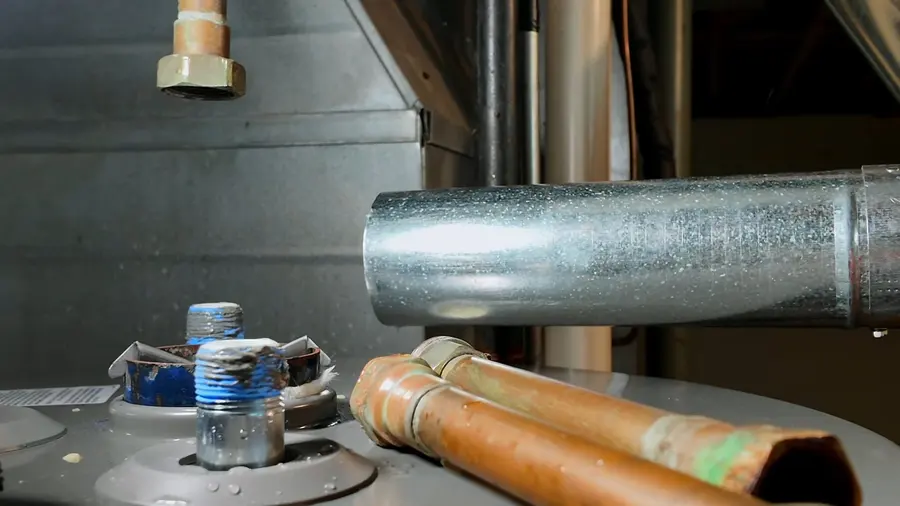
Cost of tankless service in Altadena
Typical price ranges (Altadena / SGV market, 2026)
Mid-grade tankless gas installation: $4,200 - $6,800.
Premium condensing tankless install: $5,500 - $8,500.
Tank-to-tankless conversion (gas line + venting): Add $1,200 - $2,500 to base install.
Annual descaling maintenance: $250 - $450.
Flow sensor replacement: $275 - $475.
Igniter replacement: $200 - $400.
Gas valve replacement: $550 - $950.
Heat exchanger repair or replacement: $600 - $1,800 depending on access and warranty.
Descaling pays for itself in extended service life. The cost difference between a unit that lasts 8 years (neglected) and one that lasts 20 years (maintained) far exceeds the cumulative descaling cost.
Other tankless-adjacent work we handle
Beyond direct tankless service, we install softeners and pre-filters paired with new tankless systems, upsize gas supply lines when needed, install dedicated tankless circulation pumps for homes with long hot water runs to distant bathrooms, set up wireless controllers for temperature management, and integrate tankless systems with solar thermal pre-heat where applicable. We also handle warranty service coordination with manufacturers when in-warranty failures occur. For manufacturer technical documentation and warranty terms, see Rinnai, Navien, and Rheem directly.
Frequently asked questions
How does a tankless water heater work?
A tankless unit heats water on demand as it flows through a heat exchanger, rather than storing hot water in a tank. When a hot water tap opens, a flow sensor triggers the burner (or electric element), and water is heated as it passes through. The unit only runs when hot water is being used, so there's no standby heat loss.
Will a tankless give me unlimited hot water?
Yes, within its flow rate capacity. A properly sized tankless provides continuous hot water for as long as you want it, but only up to the unit's gallons-per-minute (GPM) rating. If you try to run more simultaneous hot water than the unit can heat at once, the output temperature drops. That's why sizing matters.
What size tankless do I need in Altadena?
Sizing depends on simultaneous fixture demand and incoming water temperature. Altadena's cold incoming water temperature in winter (around 55°F) requires the unit to heat water more aggressively than warmer climates. A typical 2-bath home needs 7-9 GPM; a 3-4 bath home needs 9-11 GPM. We size based on your fixture count and use pattern.
How often does a tankless need descaling in Altadena?
Once per year minimum. Altadena's moderately hard foothill aquifer water deposits scale on tankless heat exchangers faster than soft-water regions. Skipping descaling for 2-3 years can permanently damage the heat exchanger. Many manufacturer warranties require documented annual descaling to remain valid.
How much does tankless installation cost?
Standard mid-grade tankless gas install in Altadena runs $4,200-$6,800. Premium condensing units run $5,500-$8,500. Tank-to-tankless conversion adds $1,200-$2,500 for gas line upsizing and venting changes. We give a firm quote after on-site assessment.
Do tankless units need a water softener?
Strongly recommended in Altadena. A softener combined with annual descaling can roughly double the service life of a tankless unit. Many manufacturers explicitly recommend softening or filtration for hard water installs to maintain warranty coverage.
What do tankless error codes mean?
Each manufacturer uses its own code numbering, but common categories are ignition failure, overheating, gas pressure issues, water flow problems, and scale-related performance loss. We diagnose error codes from Rinnai, Navien, Rheem, Noritz, and Takagi units and isolate the underlying cause.