Tankless Water Heater Conversion: Is It Worth It for Your Altadena Home?
Tankless water heaters cost more upfront and save on energy long-term. Here's the honest math for SGV homes, including the gas line and venting considerations specific to older Altadena housing.
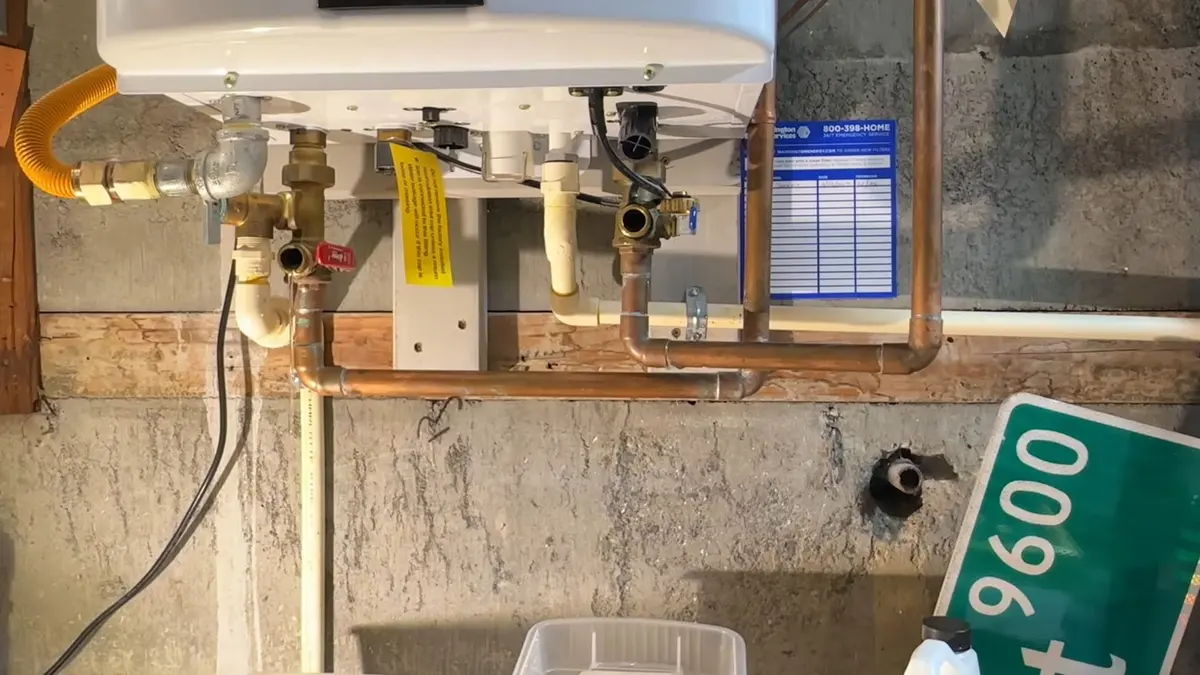
Tankless water heaters have been the trendy upgrade for residential plumbing for over a decade. Marketing language around them ranges from accurate (endless hot water on demand, smaller footprint, longer service life) to overstated (huge energy savings, instant payback). For homeowners considering whether to convert when their tank water heater reaches end of life, the honest answer requires running the actual numbers against the actual installation cost.
For most SGV homeowners replacing a working tank water heater, the conversion math doesn't pay off in pure financial terms within typical ownership periods. For homeowners whose existing water heater has failed and who are choosing between tank replacement and tankless conversion, the math is closer and the non-financial benefits often tip the decision. Here's how to think about it.
What tankless actually does
A tank water heater stores 40-80 gallons of pre-heated water in an insulated tank, ready for use. Energy is spent continuously keeping that stored water hot, whether you use it or not. When you draw hot water, the tank refills with cold water that's then heated for next time.
A tankless water heater has no storage. When you turn on hot water, the unit fires up and heats water as it flows through. When you turn off the tap, the unit shuts down. There's no standby loss because there's nothing being kept hot when you're not using water.
This difference is the entire energy savings story for tankless. The standby loss on a typical tank water heater is real but modest: in a well-insulated modern tank, maybe 10-20% of total water heating energy. Tankless eliminates that loss but spends some additional energy on rapid heating during use. Net savings is typically 15-25% on water heating costs, which translates to $80-$200/year for typical SGV households.
Installation cost comparison
For a typical SGV residential replacement, here are honest 2026 ranges.
Tank-to-tank replacement (replace failed 40-50 gallon tank with new equivalent): $1,500-$2,800 installed. Includes new water heater, removal of old unit, code-current installation, pressure relief valve, drain pan if required, and gas connection update.
Tank-to-tankless conversion (first-time tankless install): $3,500-$6,500 installed. Includes tankless unit, removal of old tank, new gas line if needed for tankless (often required), new venting (always required), code-current condensate handling, mounting bracket, and installation.
The $2,000-$3,500 installation premium for tankless is the upfront math problem. At $100-$200/year in energy savings, the simple payback is 10-25 years. Tankless lifespan is 18-25 years vs 10-15 for tank, so the math works over the full lifecycle but doesn't show net savings in typical 7-10 year ownership periods.
What older Altadena homes need for tankless
The installation cost premium for tankless comes mostly from infrastructure requirements that older homes weren't built with.
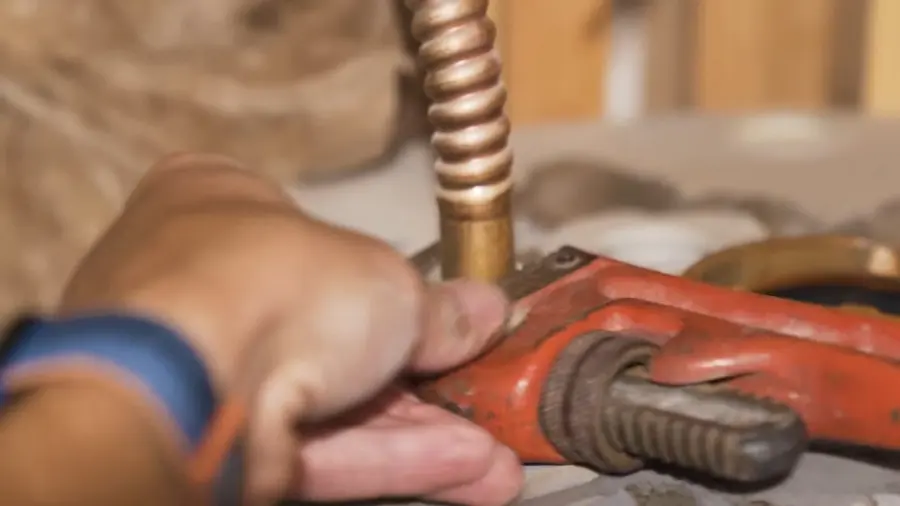
Gas line capacity. Tankless units have higher peak gas demand than tank units. A typical 50-gallon tank water heater might need 40,000 BTU/hr. A tankless unit serving the same household needs 150,000-200,000 BTU/hr to heat water at flow rates. The existing gas line from the meter may not be sized for tankless capacity. We often need to run a new gas line, either from the meter or from a closer T-off point.
For older Altadena homes (pre-1970), the gas line capacity is often the biggest unknown until inspection. Some homes can support tankless with minimal gas work; others need significant gas line upgrades that add $800-$2,500 to the project.
Venting requirements. Tankless units vent differently from tank units. Most modern tankless units are condensing and use PVC venting that can route horizontally through walls. This is actually easier than the vertical metal venting required for older tank water heaters and often allows tankless installation in locations where tank units wouldn't fit.
Condensate handling. Condensing tankless units produce acidic condensate that needs to drain. New condensate piping is usually included in the install but adds complexity.
Electrical. Tankless units need 120V power for the ignition and controls, vs the typical tank water heater which only needs a pilot light or a small electrical connection for ignition. Most installations have power nearby; some older homes need new electrical runs.
When tankless makes sense beyond pure economics
Several scenarios tip the decision toward tankless even when the financial payback math is borderline.
Endless hot water. Larger households where multiple showers running simultaneously or back-to-back has been a problem benefit from the unlimited-supply characteristic of tankless. No more cold showers because someone used all the hot water.
Space recovery. Wall-mounted tankless units free up floor space where the tank used to sit. For homes with tight utility rooms, garages, or basement plumbing closets, the space savings can be meaningful.
Remodel coordination. Doing a kitchen or bathroom remodel that involves opening walls anyway often makes adding the gas line and venting for tankless much cheaper as part of the renovation than as a separate project later.
Long-term ownership. If you're planning 15+ year ownership of the home, the lifecycle math improves. Two tank water heater replacements (the typical lifespan over that period) cost more than one tankless install. The lifecycle calculation can show tankless winning over 20-25 years even after install premium.
Bathroom remodel with high-flow fixtures. Modern bathroom fixtures and rain showerheads have higher flow rates than older fixtures. A tank water heater that worked for a 1970s shower may not produce hot water fast enough for a 2026 multi-head shower. Tankless eliminates that constraint.
When tank replacement makes more sense
The cases where keeping the tank water heater format makes financial and practical sense:
Short ownership horizon. Planning to sell within 5-7 years. The install premium for tankless doesn't pay back in that window and buyers don't typically pay full installation premium back at resale.
Limited gas line capacity with high upgrade cost. If the gas line upgrade required for tankless adds $2,500+ to the project, the payback math gets significantly worse.
Smaller household. Single-person or two-person households generally don't run into hot water capacity limits with a tank water heater. The "endless hot water" benefit is less valuable.
Tank water heater is working fine. Replacing a working tank water heater specifically to get tankless rarely pays off. Wait for the existing unit to reach end of life, then make the decision in context of a needed replacement anyway.
What we actually recommend
For homeowners whose tank water heater has failed or is clearly nearing end of life:
If you have a larger household (4+ people), if a kitchen or bath remodel is on the near horizon, if space recovery is meaningful, or if you plan long-term ownership, tankless is usually the better choice.
If you have a smaller household, short ownership horizon, or significant gas line work would be required, tank replacement is usually the better choice.
For homeowners whose tank water heater is still working fine, replacement of either type can wait. There's no benefit to premature replacement for either format.
For specific assessment of your home's tankless suitability — gas line capacity, venting options, condensate handling, electrical — call (626) 687-0217. We'll come out, look at what's actually there, and give you an honest install quote and recommendation. Tankless water heater services and water heater installation are both regular work for us across Altadena, Pasadena, and the surrounding cities.