Slab Leak Detection & Repair in Altadena, CA
Acoustic and thermal imaging for foothill slab homes. Epoxy lining, pipe rerouting, and targeted slab penetration repair across Altadena and the SGV.
A slab leak is a leak in a water supply line that runs through or beneath the concrete slab foundation of a home. In Altadena's newer slab subdivisions, including the Country Club Drive corridor and the rebuild pockets near La Vina, those embedded copper lines are exposed to two stressors at once: chemically aggressive water from the foothill aquifer, and lateral movement from alluvial soil that shifts seasonally as it dries and rehydrates. The result is pinhole corrosion and stress fractures that release water under the slab, often for months before anyone notices.
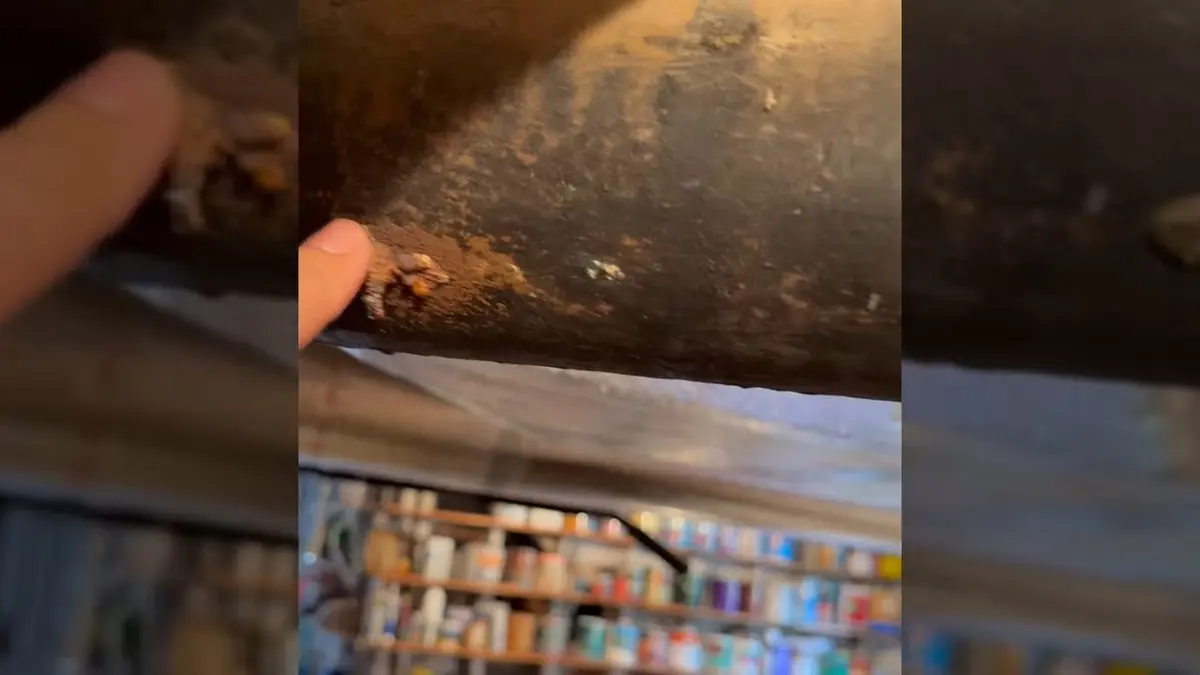
What a slab leak is, and why Altadena sees so many
Altadena's slab housing stock is concentrated in pockets built from the late 1950s through the 1990s. Copper supply lines, which became standard in California during that period, were typically run through or just below the slab on their way from the main shutoff to the fixtures. That construction approach was fast and clean during build-out, but it leaves the supply pipe exposed to whatever happens to the slab over the next 60 years.
The foothill location compounds it. Altadena sits on alluvial deposits at the base of the San Gabriel Mountains. When the soil dries out during long stretches of California's dry season, it contracts. When winter rains arrive, it expands. Over decades, that cycle puts repeated lateral stress on anything embedded in the slab, including copper. Add in the moderately hard water from the foothill aquifer delivered by Lincoln Avenue Water Company, Las Flores Water Company, and the other local districts, and you have the conditions for pinhole corrosion to develop and accelerate.
The hot water lines fail first, almost always. Heat speeds chemical reactions, and hot copper lines under a slab corrode faster than cold ones. The warm spot on a floor that homeowners discover first is rarely a coincidence.
How we detect slab leaks without breaking concrete
Slab leak detection used to mean educated guessing followed by hammer drilling until water appeared. That's no longer how the work is done. We use three detection methods, typically in combination:
Acoustic listening equipment
Water escaping from a pressurized pipe makes sound. Specialized ground microphones pick up that sound through concrete and isolate its source within a few inches of the actual leak point. Acoustic detection is most accurate when the leak is active and the system is pressurized. We sometimes ask homeowners not to use water for an hour or two before our visit to let the system stabilize.
Thermal imaging cameras
An infrared camera sees temperature differences across a surface. A hot water line leaking under tile or hardwood creates a warm zone visible to the camera even when the floor feels normal to the touch. Thermal imaging is especially useful for narrowing down a search area before deploying acoustic equipment.
Electronic leak detection
For cold water line leaks where acoustic and thermal signals are weaker, we can introduce a small pressure or tracer signal into the line and follow it with an electronic locator. This method works on lines that are otherwise hard to find using sound alone.
Repair methods we use after the leak is located
Once a slab leak is pinpointed, the right repair depends on the pipe's age, the leak's location, and whether other failures are likely on the same line. We use three primary repair approaches:
Spot repair via slab penetration. For an isolated leak in otherwise sound piping, we cut a small access through the slab at the leak location, replace the affected section, and patch the slab. This is the lowest-cost option when the rest of the line is in good shape.
Pipe rerouting above the slab. When a pipe has had multiple pinhole leaks or shows signs of widespread degradation, we abandon the failed line in place and run new PEX or copper through the attic or wall cavities. This eliminates the slab as a future failure point entirely, which is often the right call on a hot water line that has already failed once.
Epoxy pipe lining. For accessible supply systems with multiple small leak points, we can coat the pipe interior with epoxy that creates a new internal surface and bridges pinhole leaks. Epoxy lining works on cold and hot lines and avoids opening walls or slabs. It's not appropriate for pipes with structural damage or collapsed sections.
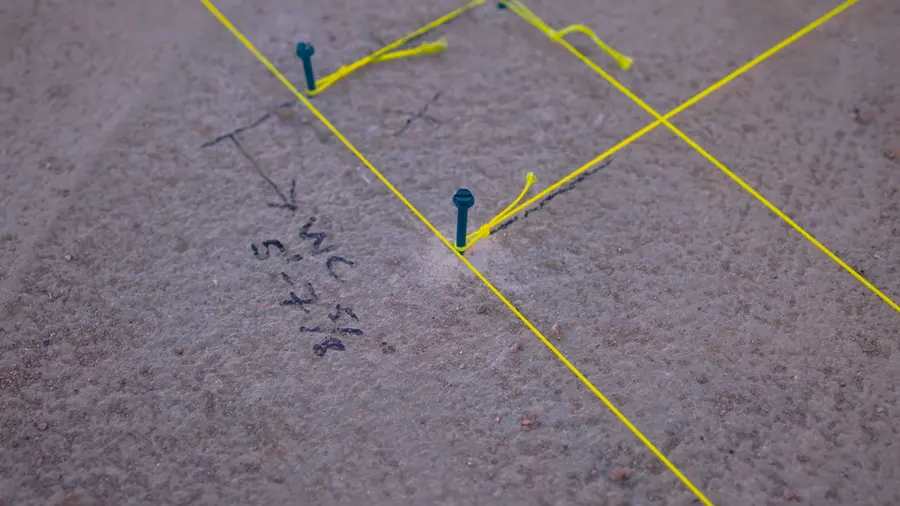
Cost of slab leak detection and repair in Altadena and the SGV
Typical price ranges (Altadena / SGV market, 2026)
Detection only: $250 - $550 depending on access and the number of methods used.
Spot repair (single penetration): $1,200 - $2,500 including detection, slab cut, pipe repair, and patch.
Pipe rerouting (one line, attic or wall): $2,500 - $5,500 depending on line length and access difficulty.
Epoxy lining (residential supply system): $4,000 - $9,000 depending on system size.
Full repipe (small home, post-slab-failure): $7,500 - $18,000 depending on house size, material chosen, and finish-work scope.
These ranges reflect typical Altadena and SGV conditions and include detection and labor. Slab leaks discovered in larger Pasadena, San Marino, or La Cañada Flintridge homes can run higher due to greater linear footage of affected piping. We provide a firm price after detection, before any repair work begins.
For post-fire rebuild contexts in the western Altadena foothill neighborhoods, slab leak detection on new construction is sometimes specified as part of the warranty verification process. We provide that work and document findings for builder and insurer files.
Other slab and supply-line work we handle
Beyond core slab leak detection and repair, we handle related work that often comes up on the same visit: water meter testing to confirm a suspected leak, pressure regulator inspection (a failed regulator can mimic slab leak symptoms), post-tension cable awareness on newer slabs, and foundation crack evaluation referrals when what looks like a leak is actually a structural moisture issue. We also handle pipe rerouting for galvanized supply lines in pre-slab-era Altadena homes when the right move is to take the line off the slab path entirely.
The EPA WaterSense program provides additional homeowner guidance on identifying household leaks. For California-specific water conservation context, the California Department of Water Resources publishes drought-era leak repair priorities.
Frequently asked questions
How can I tell if I have a slab leak in my Altadena home?
The most common early signs are a water bill that climbs 20-40 percent without explanation, a warm spot on a tile or hardwood floor above a hot water line, the sound of running water when no fixtures are on, and unexplained moisture or mildew along baseboards. Hairline foundation cracks paired with elevated humidity can also indicate slab leak activity.
Do you have to break the slab to find the leak?
No. We locate slab leaks with acoustic listening equipment and thermal imaging cameras before any slab work. The detection process is non-destructive and pinpoints the leak within inches, which is what allows targeted repair options like spot penetration or rerouting around the leak entirely.
Is rerouting better than breaking the slab?
It depends on the pipe age, the leak location, and how many leaks are likely to follow. If a copper supply line under the slab has had one pinhole leak, more are typically coming. Rerouting that line above the slab through the attic or wall cavity ends future slab work on that line. For a single isolated leak in otherwise sound piping, a targeted penetration and repair is often the right call.
What does epoxy pipe lining do?
Epoxy lining coats the inside of the existing pipe with a resin that bridges pinhole leaks and creates a new internal pipe surface without excavation. It works well for systems with many small leak points and accessible cleanouts. It's not appropriate for collapsed pipe or major structural damage.
How long does slab leak repair take in Altadena?
Detection takes 1 to 3 hours depending on access. Targeted penetration repairs typically complete in a day. Pipe rerouting takes 1-2 days. Epoxy lining for a small section can be a single-day job. Full repipes from a failed slab system can take 3-5 days.
Will my homeowner's insurance cover slab leak repair?
Insurance policies vary widely. Many California homeowner policies cover the resulting water damage from a slab leak but not the leak detection or pipe repair itself. Some policies have specific slab leak endorsements. We provide detailed invoices and reports that you can submit to your carrier.
Do I need an LA County permit for slab leak repair?
Spot repairs and rerouting that don't change the home's drainage or supply layout typically don't require a permit. Larger reroutes and full repipes that modify the system do. We pull all required permits through LA County Department of Public Works as part of our scope on permitted work.