Repiping & Whole-Home Pipe Replacement in Altadena, CA
Replace failing galvanized, aging copper, or problematic polybutylene with PEX or new copper. Craftsman, bungalow, and mid-century home specialists across the SGV.
Repiping is the wholesale replacement of a home's water supply lines, drain lines, or both. It's a one-time fix for systems that have aged past the point where ongoing repair makes sense. Most Altadena repipe work targets two specific situations: failing galvanized supply lines in early 1900s craftsman bungalows and post-war homes built before 1960, and aging cast iron drain lines in homes built before 1970. Both materials had design lives shorter than the time they've already been in service, and both fail in ways that turn into expensive recurring problems if not addressed.
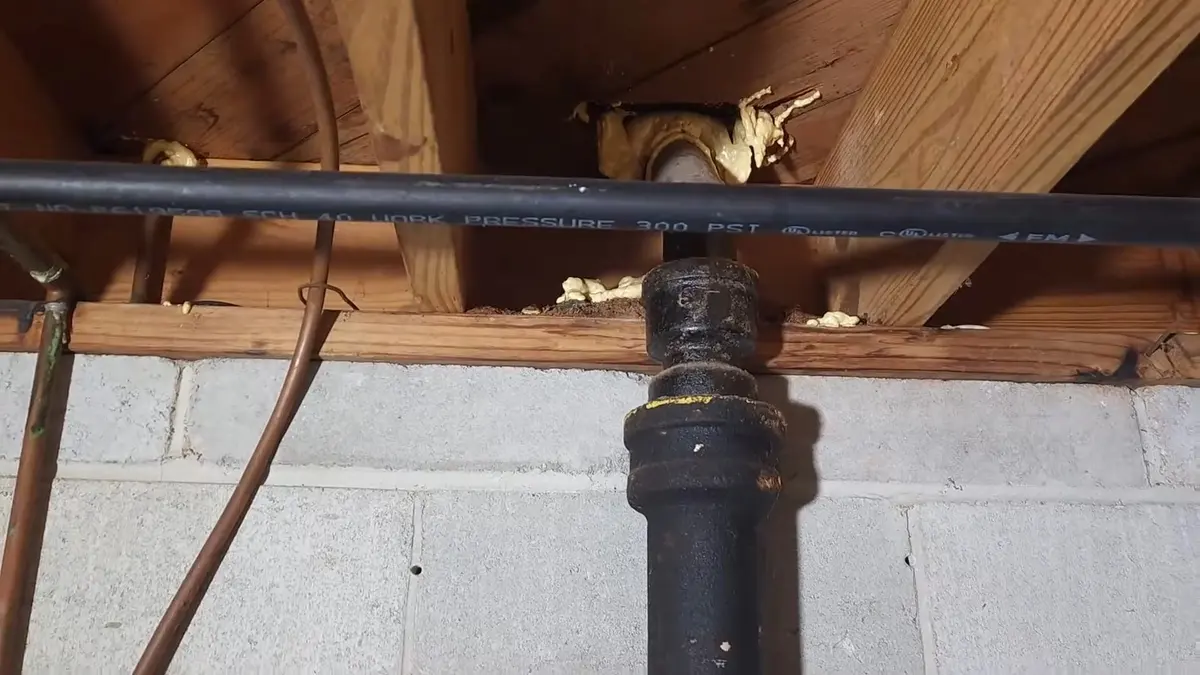
When repiping is the right call for Altadena homes
Altadena's housing stock concentrates several housing types and eras that share specific pipe-failure patterns.
Early 1900s craftsman bungalows with original galvanized
The Mariposa Street craftsmans, the Lincoln Avenue cottages, the original Janes Village bungalows from the early 1900s through the 1920s often still have their original galvanized steel water supply pipes. Galvanized was the standard residential material for almost 60 years. The zinc coating protects the steel for 40-60 years, after which the zinc is depleted and the steel rusts from the inside out. Lines installed in 1925 are well past 100 years old. They're narrowing from rust deposits, reducing flow, releasing rust into the hot water, and starting to fail at fittings.
Post-war bungalows and tract homes
The neighborhoods built out from the late 1940s through the 1950s — including the Meadows, large portions of east and west Altadena, and adjacent SGV expansion — typically have either galvanized (in the earlier waves) or original copper that's now 65-75 years old. Galvanized in this vintage is failing for the same reasons as the earlier homes. Original 1950s copper is approaching end-of-life and showing pinhole failures in some cases, particularly hot water lines.
Cast iron drain lines
Cast iron was the dominant residential drain material from the 1930s through the 1970s. Cast iron corrodes from the inside out, develops channelization (wear along the flow line), and eventually develops holes that release wastewater into wall cavities and crawlspaces. A 70-year-old cast iron drain stack in an Altadena two-story home is often at or past the point of needing replacement.
Polybutylene supply lines
Polybutylene gray plastic supply lines installed in some homes between 1978 and 1995 are known to fail unpredictably. Anyone with polybutylene in an Altadena home should plan for repipe; insurance increasingly excludes coverage for polybutylene-related damage.
Materials we use for repipe
PEX (cross-linked polyethylene)
PEX is the dominant residential repipe material today. It's flexible (which means fewer fittings and easier routing through complicated craftsman and bungalow framing), freeze-resistant, less prone to scale buildup, and significantly less expensive to install than copper. Modern PEX-A and PEX-B carry 25-year warranties from major manufacturers. We use color-coded red (hot) and blue (cold) PEX for clear identification.
Type L copper
Copper remains an excellent choice for repipe, especially in homes where exposed runs (in mechanical rooms, basements, or under-house crawlspaces) will be visible. Type L copper has a 100+ year track record in California. We use it where the application calls for it, including some historic homes where preservation of period appropriate materials is part of the project brief.
PVC and ABS for drain replacement
For cast iron drain replacement, we use either PVC or ABS depending on the inspector's preference and the specific application. Both materials outlast the cast iron they replace and resist corrosion entirely.
Our repipe process
Repipe work follows a structured sequence designed to minimize disruption.
Day 1: Setup and rough. We protect floors and furniture, locate the optimal pipe routes through wall cavities and ceilings to minimize wall openings, make access openings, and start running new pipe. By end of day we typically have main lines roughed in.
Days 2-3: Branch runs and tie-ins. Branch lines to each fixture get routed and connected. The new system gets tied into the existing fixtures one at a time so water service can be restored at the end of each day.
Day 3-4: Pressure testing and inspection. The new system is pressure-tested to verify no leaks. We call for LA County or municipal inspection. Inspector verifies materials, sizing, slope (for drains), and pressure test results.
Day 4-5: Insulation and close-up. Pipes get insulated where required. Wall openings are prepared for drywall patching by your finish contractor (we coordinate but don't typically handle drywall finishing).
Total elapsed time for a typical 2-bath Altadena home: 3-5 working days for plumbing, plus 2-3 days of finishing work for drywall and paint, which we coordinate but typically subcontract or hand off to homeowner-selected finishers.
Cost of repipe in Altadena
Typical price ranges (Altadena / SGV market, 2026)
PEX whole-home water supply repipe (2-bath, 1-story): $5,500 - $9,000.
PEX repipe (3-4 bath, 2-story): $7,500 - $14,000.
Copper whole-home repipe (2-bath, 1-story): $9,500 - $15,000.
Copper repipe (3-4 bath, 2-story): $13,000 - $22,000.
Cast iron drain replacement (per drain stack): $3,500 - $9,000.
Whole-home drain replacement (cast iron to PVC/ABS): $8,000 - $18,000+.
Permit and inspection fees: Included.
Drywall patching and paint: Separate, typically $1,500 - $4,500 by drywall contractor.
Price depends on home size, number of bathrooms, accessibility of wall and ceiling cavities, complexity of the existing layout, and material choice. We give a firm quote after walking the property and reviewing the existing system.
Other related work we handle
Beyond core repipe, we install new pressure regulators when system pressure issues are part of the picture, install water hammer arrestors at quick-closing fixtures, integrate water softeners and filtration systems during repipe (often a good time to add them), upgrade undersized supply lines from the street to the meter when service is limited, and handle the gas line modifications that often accompany major plumbing work. For California plumbing code reference, see the California Building Standards Commission.
Frequently asked questions
How do I know if my home needs repiping?
The strongest signals are recurring pinhole leaks (often 2-3 in a year), discolored water (rust-tinted from corroded galvanized), reduced water pressure throughout the home, visible corrosion on exposed pipes, and pipes more than 60-70 years old. Any one of these warrants a plumber's evaluation. Two or three together usually means repipe is the right call.
What's wrong with galvanized pipes in old Altadena homes?
Galvanized steel was the residential standard from the 1900s through the 1950s. The zinc galvanizing protects the steel for 40-60 years. After that, the zinc is gone and the steel rusts from the inside out, narrowing the pipe interior and reducing flow. Many Altadena craftsman bungalows still have original galvanized lines that are 80-100+ years old and well past their service life.
PEX or copper: which is better for repipe?
Both are excellent. PEX is more flexible (fewer fittings, faster install, easier to route through walls and around obstacles), more freeze-resistant, and less expensive. Copper has a longer track record (100+ years) and resists certain chemicals better. For most Altadena residential repipes, PEX is the practical choice. For exposed mechanical room runs and certain aesthetic applications, copper still has its place.
How long does a whole-home repipe take?
For a typical 2-3 bathroom Altadena home, 3-5 working days for the plumbing work, plus drywall patching and finishing afterward. We schedule the work to minimize time without water; most days we restore water service overnight even during the project.
Will you need to open walls during repipe?
Yes, but we minimize the number and size of openings. We plan routes through wall cavities, ceilings, and crawlspaces to avoid finished spaces where possible. Openings are kept small and located for easy patching. We do not include drywall finishing in our scope, but we coordinate with drywall contractors and can recommend one.
Do I need a permit for repipe in unincorporated Altadena?
Yes. Whole-home repipe requires a plumbing permit through LA County Department of Public Works for unincorporated Altadena, or through the city building department for Pasadena, Glendale, and other incorporated SGV cities. We pull the permit, list our license info, and pass inspection before the work is closed in.
How much does whole-home repipe cost in Altadena?
PEX repipe for a 2-bath home in Altadena typically runs $5,500-$9,000. Copper repipe runs $9,500-$15,000. 3-4 bath homes run $7,500-$14,000 for PEX and $13,000-$22,000 for copper. Drain line replacement (when needed) is additional. Pricing varies with home size, accessibility, and the complexity of the existing layout.