Leak Detection in Altadena, CA
Acoustic, thermal imaging, pressure testing, and electronic detection for hidden water leaks. Non-invasive, accurate to within inches, same-day across the SGV.
Leak detection is the process of locating a hidden water leak with precision before any opening is made for repair. The methods are non-invasive and use sound, temperature, pressure, and electronic signals to pinpoint exactly where water is escaping a pressurized line. The goal is to eliminate the educated guessing and exploratory demolition that used to characterize plumbing leak work, leaving a leak located within inches of its actual point so the repair opening is small, targeted, and reversible. For Altadena homeowners watching unexplained water bills climb, leak detection answers the question before drywall comes off.
Where leaks happen in Altadena homes
The hidden leaks we find in Altadena homes cluster in predictable locations based on the housing stock and water system.
Slab and under-floor supply lines. Copper supply lines running through or beneath concrete slabs are the most common hidden leak source in mid-century Altadena homes. Hot water lines fail first, almost always. Detection involves acoustic and thermal methods, covered in detail on our slab leak detection page.
In-wall supply lines. Pipe runs inside wall cavities can develop pinhole leaks at fittings or along the pipe itself. Wet drywall, paint bubbling, and persistent musty smell are the surface symptoms. Acoustic listening and moisture mapping locate the leak point.
Yard supply lines. The supply line running from the city main shutoff to the house is often overlooked. In older Altadena properties with galvanized service lines, the yard portion can fail and leak underground for months before water shows on the surface. Pressure testing and tracer methods locate these leaks.
Water heater pan leaks. Slow leaks from a failing water heater base can travel along the pan, exit the drain, and present as a leak elsewhere. We rule this in or out early in the detection process.
Irrigation system leaks. Failed irrigation valves, cracked PVC lines, and leaking drip systems can move large volumes of water without being obvious. Valve isolation testing and zone-by-zone evaluation pinpoint irrigation leaks.
Toilet and fixture leaks. Toilet flapper failures and silent supply line leaks at fixtures can produce surprising water bill increases. These are easy to find with dye tests and visual inspection.
How we find leaks
Multiple methods, used in combination based on what the situation suggests:
Acoustic listening
Pressurized water escaping from a leak makes sound. Specialized ground microphones and contact sensors pick up that sound through wall, floor, and concrete surfaces. Skilled operators can isolate the source within inches.
Thermal imaging
An infrared camera reveals temperature differences across a surface. Hot water leaks heat surrounding material; cold water leaks cool it. The thermal signature directs further investigation to a precise location.
Pressure testing
By isolating individual lines or sections and pressurizing them, we identify which line is losing pressure. This narrows the search before deploying location methods.
Electronic line tracing
For yard supply lines and other underground runs, a transmitter introduces a signal we can follow with a locator. This both maps the line path and detects where the signal weakens (indicating a leak point).
Moisture meters and probes
Pin and pinless moisture meters confirm wet wall cavities and floor sections. They're the verification step after acoustic and thermal have narrowed the search.
Water meter testing
Before any of the above, we usually confirm the leak exists by reading the meter with all fixtures shut. A spinning dial means active water flow, which means an active leak somewhere on your side of the meter.
What we find and how we fix it
Detection produces a precise location. The repair that follows depends on what's leaking:
Copper supply line leaks get cut out and replaced with a sleeved coupling repair, or the section gets rerouted through wall cavities if the line has had multiple failures.
PEX fittings and connections get retightened or replaced. PEX itself rarely leaks; the connections do.
Galvanized pipe failures often signal it's time to repipe at least the affected line. Pinhole leaks in galvanized predict more leaks coming.
Yard supply line leaks get spot-repaired for isolated failures or replaced when the whole line has aged out (common with galvanized service lines).
Irrigation leaks get repaired at the valve or pipe location identified, often with a controller programming review at the same time.
Toilet and fixture leaks get the failed component replaced (flapper, fill valve, supply line, angle stop).
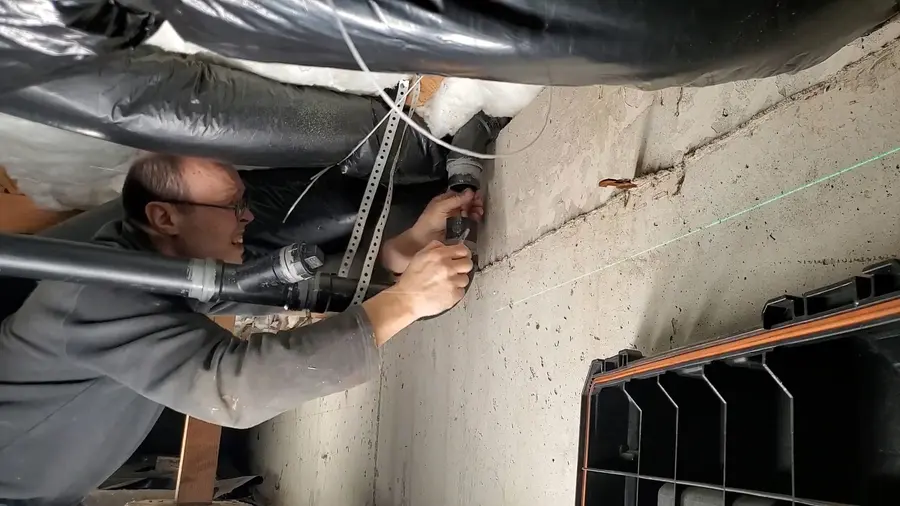
Cost of leak detection in Altadena
Typical price ranges (Altadena / SGV market, 2026)
Standard leak detection (single suspected location): $250 - $400.
Complex detection (multiple methods, multi-zone): $400 - $650.
Slab leak detection specifically: $300 - $550.
Yard line / underground supply leak detection: $350 - $650.
Pool plumbing leak detection (covered separately): $300 - $650.
Camera inspection (drain line): $250 - $450.
Detection fees are often credited toward the repair work that follows. We tell you the detection price before we start and the repair price after we know what's leaking.
Other diagnostic work we handle
Beyond core leak detection, we provide pre-purchase plumbing inspections for real estate transactions, post-storm leak checks after major weather events, insurance claim documentation with photos and written reports for homeowners filing for water damage coverage, water meter accuracy testing when bills seem disconnected from usage, and pressure regulator evaluation when system pressure is suspiciously high or fluctuating. The EPA WaterSense program publishes guidance on home water audits homeowners can run themselves.
Frequently asked questions
How do I know if I have a hidden water leak?
The clearest signs are an unexplained water bill increase (often 20%+ above normal), the sound of running water when no fixtures are on, warm spots on floors, damp drywall or paint discoloration, mildew smell with no visible source, and the water meter dial moving with all fixtures shut off. Any one of these warrants investigation.
What methods do you use to find leaks?
We use acoustic listening equipment to detect water sound through walls, floors, and concrete; thermal imaging cameras to spot temperature differences from hot water leaks; pressure testing to isolate which line is losing pressure; electronic line tracing to follow specific pipes; and moisture meters to confirm wet wall cavities. Most leaks are located with a combination of two or three methods.
Will you have to open walls or break concrete to find the leak?
Almost never during detection. The whole point of professional leak detection is non-invasive location. We pinpoint the leak to within a few inches, then any opening done for repair is small and targeted. You don't lose drywall or flooring to the detection phase.
How fast can you respond to a leak detection call?
For most Altadena and SGV calls, same-day or next-day scheduling. For emergency situations where active water damage is occurring, we treat it as an emergency call with response within 60-90 minutes during the day.
My water bill doubled but I can't find a leak. What's going on?
That's a classic underground or in-wall leak signature. Common hidden sources include slab leaks, failed irrigation valves, broken yard supply lines, leaking water heater pans, and toilet flapper failures. Our first step is meter testing to confirm the leak exists, then we narrow down to the line group, then we locate the specific point.
Do you find irrigation and yard line leaks too?
Yes. Yard supply line leaks are common in older Altadena properties with galvanized or copper service lines from the main shutoff to the house. We trace and locate underground line leaks with acoustic and pressure equipment, and irrigation system leaks with valve isolation testing.
How much does leak detection cost?
Standard leak detection runs $250-$550 in Altadena depending on access, the number of methods needed, and the time required. Complex multi-leak situations or properties requiring extensive isolation testing can run higher. The detection fee is often credited toward the repair work that follows.