How Much Does Sewer Line Replacement Cost in the SGV? (2026 Pricing Breakdown)
Sewer line replacement is one of the most expensive plumbing projects most homeowners ever face, and the pricing isn't transparent online. Here's an honest breakdown of what the work actually costs in the SGV in 2026.
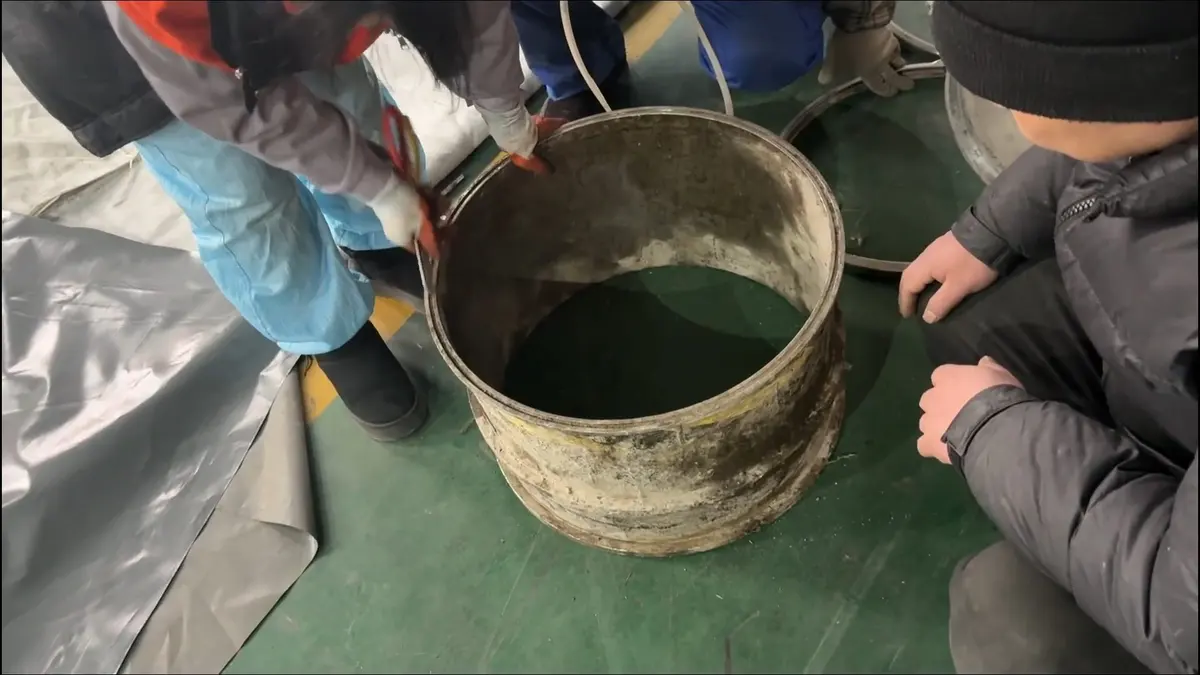
If you've been told you need sewer line replacement and you've been quoted prices anywhere from $4,000 to $30,000+, you're not alone. Sewer pricing has huge variance, and it's not always clear what drives the differences. Some contractors quote high deliberately. Some quote low and add fees later. And some quotes are genuinely accurate for the specific job conditions on site.
This breakdown explains what drives sewer line replacement pricing in the SGV, with honest 2026 ranges for the most common scenarios. We work this kind of project regularly across Altadena, Pasadena, Glendale, and the surrounding cities, and the numbers below reflect what we actually charge and what other reputable contractors charge.
The two main methods
Sewer line replacement methods break down into traditional dig-and-replace and trenchless. Both have their place; neither is universally better.
Traditional dig-and-replace excavates a trench from the house to the city main, removes the failed pipe, and installs new PVC or HDPE pipe. The trench is then refilled and surface restored. This method is the original sewer replacement technique and remains appropriate for many jobs.
Trenchless avoids the long open trench. Two main techniques exist: pipe bursting, which pulls a new pipe through the path of the old one, breaking apart the old pipe as it goes; and CIPP lining (cured-in-place pipe), which inserts a flexible resin-saturated liner into the existing pipe and cures it in place to form a new pipe inside the old one. Both methods minimize surface disruption.
Trenchless costs more per linear foot than traditional excavation but saves on surface restoration, landscape disruption, and project duration. For most residential SGV jobs with established landscape and hardscape, trenchless is the cheaper total cost once restoration is factored in. For simple jobs with no landscape concerns, traditional dig can be cheaper.
Honest 2026 pricing ranges in the SGV
Here are the real ranges by method and typical job conditions.
Traditional dig-and-replace, residential lateral 30-50 feet: $4,500-$9,000. This range covers excavation, pipe install, backfill, and basic surface restoration (concrete patch, soil restoration, basic landscape patch). Permits add $200-$600 depending on jurisdiction.
Traditional dig-and-replace, residential lateral 50-100 feet: $7,000-$15,000. The cost scales roughly with length. Longer runs involve more excavation, more pipe, and more restoration.
Trenchless pipe bursting, residential lateral 30-50 feet: $9,000-$15,000. The premium over traditional is for the specialized equipment and technique, offset by reduced restoration work. Typical net savings shows up when landscape, driveways, or significant hardscape would otherwise need replacement.
Trenchless pipe bursting, residential lateral 50-100 feet: $13,000-$22,000. Length scaling is similar to traditional but the per-foot premium remains.
CIPP lining, residential lateral 30-50 feet: $7,000-$13,000. CIPP cost is typically between traditional and pipe bursting. Best for situations where the existing pipe has structural integrity that can support a liner.
CIPP lining, residential lateral 50-100 feet: $10,000-$18,000.
For sewer replacement work under unusual conditions (extremely deep installations, very long runs over 150 feet, complex restoration requirements), pricing can exceed these ranges. We'd quote those specifically.
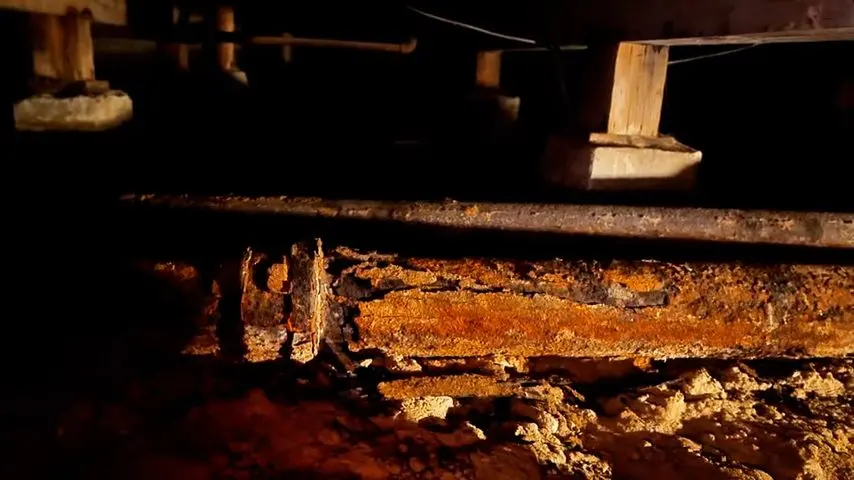
What makes prices go up
Six factors most often push sewer replacement pricing toward the high end of the ranges above.
Depth. Sewer laterals at 8-12 feet deep are typical. Above 12 feet, excavation cost scales nonlinearly because the trench needs shoring for safety. Deep sewer mains, common on hillside properties, can push pricing up 30-50%.
Hardscape over the line. If the sewer lateral runs under driveways, patios, retaining walls, or other hardscape that needs to be cut and replaced, restoration cost climbs. This is the single biggest factor pushing homeowners toward trenchless: the savings on hardscape restoration usually exceeds the trenchless premium.
Established landscape. Mature trees, established irrigation systems, and significant garden investment all push toward trenchless for protection during the work. The restoration cost of damaged mature landscape can be substantial.
Access constraints. Tight side yards, narrow lot access, or properties where equipment can't reach easily require additional labor and sometimes specialized smaller equipment.
Permit jurisdiction. Incorporated cities like Pasadena, Glendale, Arcadia, and San Marino each have their own permit and inspection processes. Pasadena specifically can have longer lead times than LA County DPW. Permits themselves are $200-$600 in most jurisdictions; the bigger cost factor is project timing if permits cause schedule delays.
Tie-in complications. If the connection to the city main is in unusual condition or requires LA County DPW or city utility coordination, additional time and cost may be involved.
What can make prices go down
Three factors that work in favor of lower pricing.
Open routing. Sewer laterals running through open lawn with no hardscape, mature trees, or access constraints can be replaced with traditional excavation at the low end of the price range.
Bundling with other work. Doing sewer replacement alongside a major remodel or landscape project can share permits, surface restoration, and equipment costs. The savings can be meaningful if timing aligns.
Existing camera inspection. If you've already had a recent camera inspection from another company, that data can save the diagnostic step and reduce upfront investigation costs.
What's included in our pricing (and what to watch for in others)
When we quote sewer replacement, the price includes camera inspection (if not already done), excavation or trenchless work, new pipe (PVC for traditional, HDPE for pipe bursting, CIPP resin for lining), tie-in to the city main, permit fees, inspection coordination, basic surface restoration (concrete patch at hardscape, soil compaction), and 90-day workmanship warranty.
What's not included by default: significant landscape restoration (replacing mature trees that come out, full irrigation system replacement), structural hardscape rebuilds (full driveway replacement vs concrete patch), and any work required by the city if their portion of the connection is found to be in distress.
When comparing quotes, ask each contractor what's included and what's not. Watch for quotes that exclude permits, exclude camera inspection, exclude tie-in work, or include vague language about "additional charges as needed." Honest contractors price the visible job realistically and flag the typical edge cases.
When you might need replacement vs repair
Not every sewer issue requires full replacement. Camera inspection should always come first to identify the actual condition.
Repair works for localized damage: a single broken section, a tree root intrusion at a specific joint, a collapsed section in an otherwise sound line. Repair cost is much lower ($1,500-$5,000 for spot repair). The right call when the rest of the line is in good condition.
Replacement is right when the line shows broad failure: extensive root intrusion, multiple cracks or collapses, channelization throughout, or material at end of service life. Spot repair on a broadly failing line is a losing strategy because the next failure will come within months or years.
Camera inspection makes the decision clear. We won't recommend replacement if repair is the right answer, and we'll explain what the camera shows. See sewer line repair for repair scope and replacement for full replacement scope.
Bottom line on sewer replacement pricing
Most SGV residential sewer line replacements fall in the $5,000-$20,000 range. The variance comes from method (traditional vs trenchless), length, depth, hardscape, landscape, and access. A homeowner getting accurate quotes will see prices cluster within a reasonable range; quotes that are dramatically lower or higher than the cluster should be examined carefully.
The biggest single factor most homeowners can affect: get camera inspection results that all bidders see before quoting. That way every contractor is pricing the same job, and you can compare apples to apples.
Call (626) 687-0217 for camera inspection and an honest written quote on sewer replacement at your property. Our quotes show what's included so you can compare them with others. No high-pressure same-day decisions; you get the information you need to make the call.