Why Your Altadena Bungalow's Galvanized Pipes Are Failing Now (And What to Do About It)
If you own a pre-1955 craftsman bungalow in Altadena, you've probably either had a pinhole leak in the past few years or you're about to. Here's why it's happening to so many homes at once, what the early signs look like, and how to think about the repipe decision when the time comes.
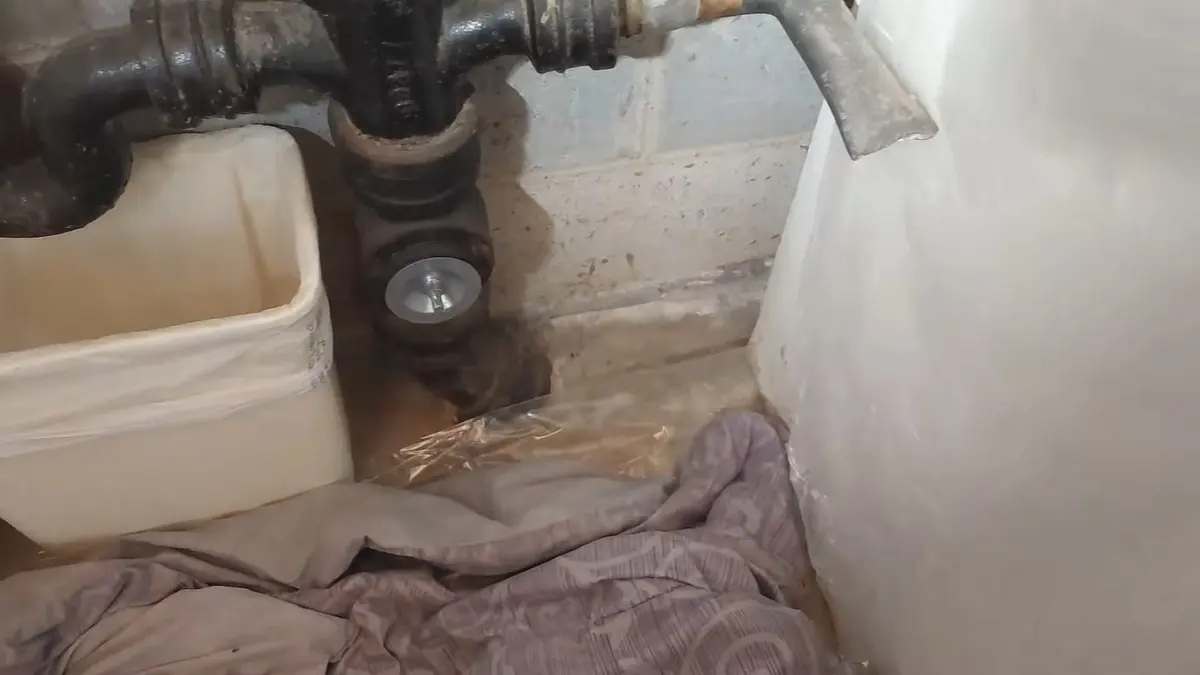
Altadena's older neighborhoods — Janes Village, Mariposa Street, the streets around Christmas Tree Lane, much of east and west Altadena — are filled with bungalows and cottages built between roughly 1905 and 1955. The original plumbing in most of these homes used galvanized steel supply pipes, the standard material of the time. Those pipes are now 70 to 120 years old. Galvanizing was engineered for 40 to 60 years of service. The math doesn't favor the pipes anymore.
Across the neighborhood, the failures are clustering. Homeowners who've had one pinhole leak are seeing a second within a year or two. Houses that seemed fine last year are showing rust in the hot water. This isn't a coincidence and it isn't bad luck. It's a predictable end-of-service-life pattern playing out across hundreds of Altadena homes at roughly the same time.
What galvanized pipe actually is, and why it fails
Galvanized steel pipe is mild steel coated with a layer of zinc. The zinc coating, called galvanizing, protects the steel underneath from corrosion. The protection is a chemical relationship: zinc is more reactive than iron, so it corrodes preferentially. As long as the zinc layer is intact, the steel underneath is safe. When the zinc is depleted, the steel starts to rust.
The zinc layer was designed to last 40 to 60 years under typical service conditions. After that, the steel inside starts corroding from the inside out. Rust deposits build up on the inner walls, narrowing the pipe and restricting flow. Eventually the pipe wall thins enough that pinhole leaks develop at random points, usually starting at fittings and joints where the pipe stress concentrates.
For pre-1955 Altadena homes still on original galvanized, this clock has long since run out. The pipes are now operating well into their failure phase.
The signs your galvanized is going
Galvanized failure shows up in a few recognizable patterns. Some are subtle and some are obvious.
Discolored water, especially hot. If your hot water runs rust-tinted, brown, or yellow when you first turn it on after sitting idle, that's interior rust scale flushing out. This is one of the earliest reliable signs.
Reduced water pressure. As interior rust deposits narrow the pipe, flow drops. You might notice it most at the upstairs bathroom, the kitchen sink during dishwasher fill, or any fixture far from the main supply.
Pinhole leaks, especially at fittings. Small leaks at threaded fittings, elbows, and tees are the most common galvanized failure mode. They start as a damp spot, a drip, or a hissing sound from inside a wall. By the time you find one, there are usually others starting nearby that you haven't found yet.
Inconsistent hot water temperature. Severely scaled pipes restrict flow enough that temperature regulation gets erratic. Showers run cold, then hot, then cold again as flow varies.
Metallic taste. Rust scale flaking off into the water gives it a recognizable metallic taste, especially first thing in the morning.
Why it's all happening at once across Altadena
The clustering pattern that's confused some homeowners ("Why are my neighbors all getting work done?") has a straightforward explanation. Bungalow Heaven, Janes Village, and the older streets across Altadena were largely built within a 20-30 year window. The plumbing in those homes was installed at the same time, used the same materials, and was exposed to the same water chemistry over the same decades. They were always going to reach end of life around the same time. That window is now.
Add the foothill aquifer water that serves much of Altadena, which has moderate hardness and mineral content that gradually accelerates the corrosion chemistry, and the timeline tightens further. The failure curve was set in motion at installation. We're just seeing it cross the threshold visibly across many homes simultaneously.
When repair makes sense and when it doesn't
The question every homeowner asks at the first pinhole leak is whether to patch the leak or replace the whole system. The honest answer depends on a few specifics.
If you've had exactly one pinhole leak in 30+ years and the rest of the system looks fine on inspection, a patch is reasonable. Some installations age more slowly than others depending on water exposure patterns and original installation quality.
If you've had two leaks in two years, or one leak plus visible signs of system-wide aging (rust water, reduced pressure, metallic taste), the failure pattern is established. Continued patching becomes a losing game: each fix costs $200-$500, and a new leak shows up every 6-18 months. The math eventually favors full repipe over continued patching.
For a typical 2-3 bedroom Altadena bungalow, full PEX repipe runs $5,500-$9,000. Copper repipe runs roughly 50-70% more. Both end the recurring leak cycle for the next 40-60+ years.
PEX vs copper: how to think about the choice
The two practical options for replacement supply pipe are PEX (cross-linked polyethylene) and copper. Both work; the differences are real but not dramatic.
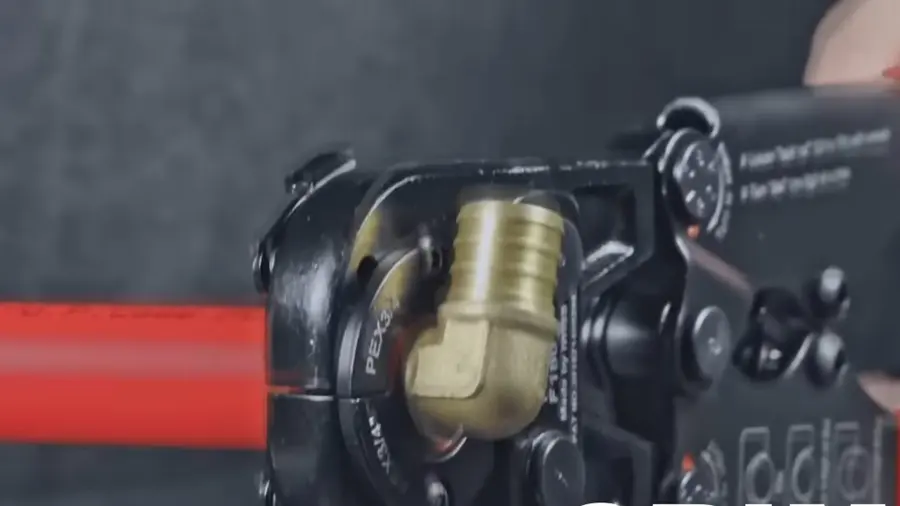
PEX is the more common choice for residential repipe today. It's flexible, which means fewer fittings and faster install. It handles freezing better than copper (a real consideration for our occasional cold snaps). It costs less to install. Code-approved in California since 2010.
Copper has the longer historical track record and the more reassuring feel for homeowners who prefer traditional materials. It's also more expensive, slower to install, and more susceptible to pinhole failure from aggressive water chemistry (though that's mostly a concern in different water service areas than ours).
For most Altadena homes we work on, PEX is the recommendation: code-compliant, faster, less expensive, and well-suited to the work. We'll install copper if a homeowner prefers it and explain the cost difference clearly.
What a repipe actually looks like
A typical 2-3 bedroom Altadena repipe takes 3-5 days from start to permit inspection. The work involves:
Day one: setup, water shutdown planning, and routing planning. We work out where new lines will run to minimize wall openings, typically through attics, crawlspaces, and unfinished areas. For Janes Village and similar older bungalows with original tile bathrooms, we plan around preserving the tile.
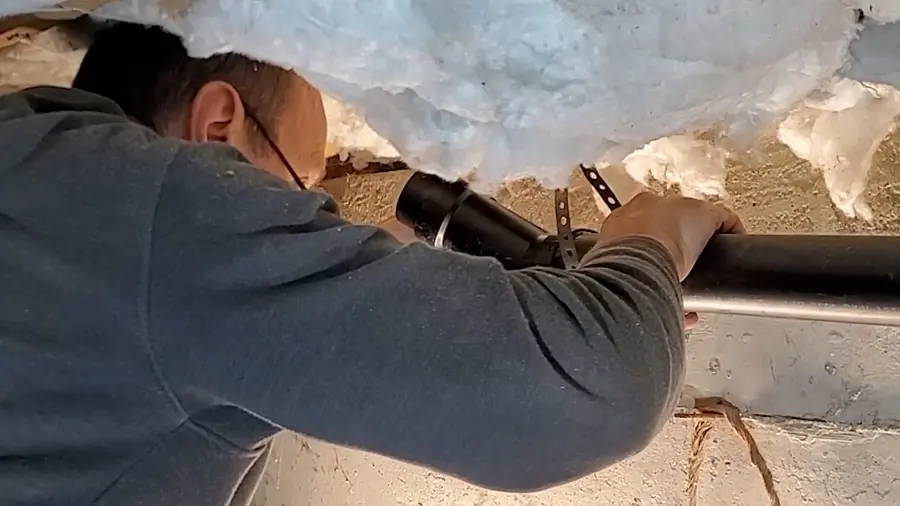
Days two through four: actual pipe install. New main supply line in, branches run to each fixture, valves and shutoffs replaced, connections made at fixtures. Water service is interrupted during portions of this work but we typically restore it overnight.
Day five: permit inspection, finalize connections, pressure test, and wall patching where openings were needed.
Permits are filed with LA County DPW for unincorporated Altadena, with the City of Pasadena Permit Center for Pasadena addresses, or with the relevant municipal department for other incorporated cities.
What to do now if you suspect your pipes are failing
Three practical steps for any Altadena homeowner whose bungalow might still be on original galvanized.
First, confirm what you actually have. Look at the exposed pipe near your water heater or under sinks. Galvanized has a dull silvery-gray color and threaded fittings. Copper is reddish. PEX is white, blue, or red plastic.
Second, watch for the early signs above. If you're seeing any combination of discolored hot water, reduced pressure, or pinhole leaks, the failure phase has started.
Third, get an honest assessment when symptoms appear. A camera inspection of accessible runs, plus visible inspection at junction points, gives a clear picture of system condition. From there, the patch-vs-repipe conversation has the data it needs.
If your home is in Janes Village, Mariposa, the Christmas Tree Lane area, east or west Altadena, or any of the older Pasadena neighborhoods like Bungalow Heaven, the odds are heavily that you're on original galvanized if you haven't already repiped. Plan accordingly.
The bottom line
Galvanized pipe failure in Altadena bungalows isn't a defect or a recent water quality problem. It's the predictable end of a 100-year service life arriving on a lot of homes at roughly the same time. The failure is gradual and the early signs are recognizable. Repipe is well-understood work with realistic cost ranges. The recurring leak cycle ends after a repipe, typically for the next 40-60+ years.
For most homeowners, the right move is to watch for the early signs, plan the repipe before a catastrophic failure forces emergency work, and budget realistically for a project that comes with these old bungalows just like roof replacement and HVAC updates do.
Questions about your specific home? Call us at (626) 687-0217 from your Lake Avenue plumbing neighbors. We work these homes every week.