Water Filtration Installation in Altadena, CA
Whole-house carbon and sediment filters, under-sink reverse osmosis, and point-of-use systems sized for SGV foothill aquifer water.
Water filtration installation covers the systems that improve the water coming into your home before it reaches the tap. These range from simple sediment filters at the main supply line through full reverse osmosis units under the kitchen sink. The right system for an Altadena home depends on which water company serves your address, what's in the water at the source, and which water uses you're trying to address: drinking and cooking, whole-house chlorine removal, sediment protection for appliances, or some combination.
SGV foothill aquifer water and what's in it
Altadena's water doesn't come from a single source. Different parts of town are served by different water providers, each with their own well systems and supply mix.
Lincoln Avenue Water Company serves much of central and west Altadena, drawing primarily from local wells in the foothill aquifer. Las Flores Water Company serves portions of east Altadena. Kinneloa Irrigation District serves areas closer to Eaton Canyon. Rubio Cañon Land & Water Association serves the western foothills near Devil's Gate. Pasadena Water & Power serves a portion of the south Altadena area abutting Pasadena, with water that includes Metropolitan Water District supply alongside local sources.
All providers meet California Department of Public Health (CDPH) safety standards. The water is safe to drink as it comes out of the tap. What filtration improves is taste, removal of disinfectant residuals (chlorine or chloramine), reduction of naturally occurring hardness minerals, and removal of any sediment picked up between the source and your home.
For drought-era California, where every water decision carries policy weight, the practical filtration question is: what does cleaner water save you? Three answers come up regularly. Cleaner water extends water heater and appliance life (less scale damage). Better taste reduces bottled water purchases. And whole-house carbon filtration removes the chlorine taste that motivates many homeowners to use bottled water in the first place.
Filtration options for Altadena homes
The systems split by where they install and what they filter.
Whole-house sediment filter
The simplest system. A cartridge filter installed at the main supply line catches sediment, rust particles, and larger contaminants before they reach any fixture or appliance. It doesn't affect taste or chemistry. Used most often on homes with older galvanized service lines, well water, or properties where occasional sediment events have caused appliance problems.
Whole-house carbon filter
A larger cartridge or tank-based carbon system removes chlorine, chloramine, and many organic compounds from all water entering the home. The effect is noticeable: water tastes better at every tap, shower water doesn't smell of chlorine, and there's no residual disinfectant chemistry to react with PEX or copper pipes downstream. Cartridge systems need annual filter changes; backwashing tank systems run 5-10 years between media replacement.
Whole-house water softener
For homes wanting to reduce hardness (calcium and magnesium minerals), a softener replaces those minerals with sodium through ion exchange. Covered in detail on our water softener page; we mention here because softeners are often paired with carbon filters and sediment pre-filters in combined systems.
Under-sink reverse osmosis (RO)
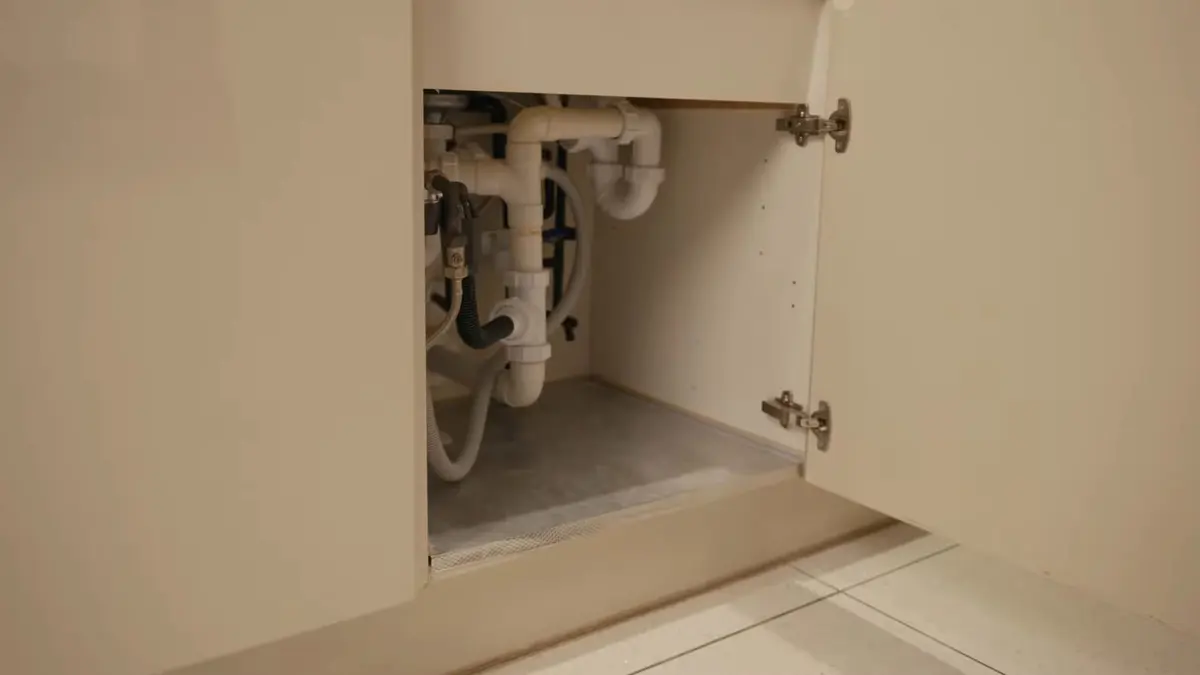
A multi-stage filtration system installed under the kitchen sink, treating water to a small dedicated faucet. RO removes virtually everything: dissolved minerals, all disinfectants, fluoride, nitrates, lead, and most dissolved contaminants. The output is near-distilled-quality water for drinking, cooking, ice making, and refrigerator dispensers. Modern RO systems are dramatically more water-efficient than 1990s designs.
Point-of-use carbon at refrigerator or specific fixture
Small inline carbon filters for refrigerator water and ice lines, or for individual drinking fixtures, where whole-house filtration isn't being installed. Lower cost option for households who only want filtered water at one or two points.
Sizing and installation
Sizing depends on household water use, the specific contaminants targeted, and physical space available.
For whole-house systems, the filter has to handle peak household flow rate without significant pressure drop. Most residential whole-house carbon and sediment filters are sized for 8-15 GPM, which covers typical SGV homes. Larger systems or backwashing tank systems handle higher flows.
For RO systems, sizing is about output rate (gallons per day) and storage tank capacity. A typical 4-person household needs a 50-75 GPD system with a 3-4 gallon storage tank.
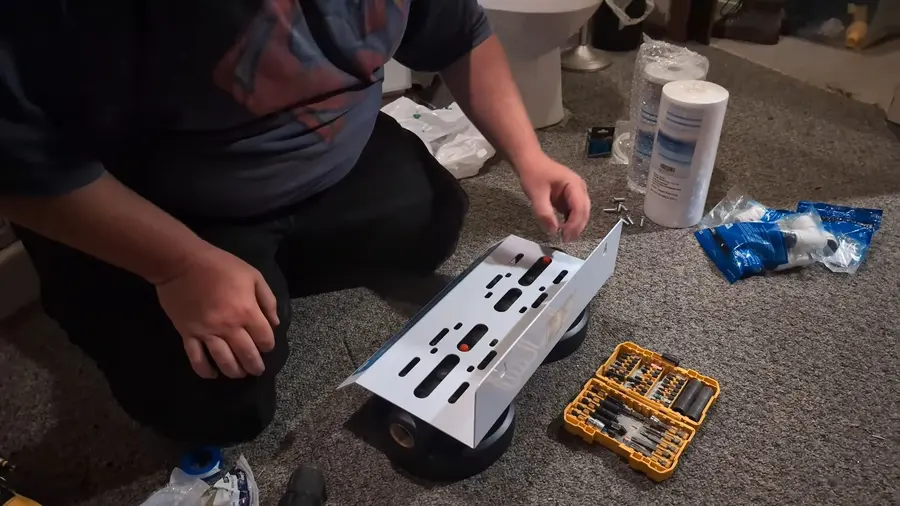
Installation typically takes 2-4 hours for under-sink RO, 3-5 hours for whole-house cartridge systems, and 4-6 hours for backwashing tank systems that need drain plumbing for the regeneration cycle. We coordinate with the home's existing plumbing layout to minimize wall modifications.
Cost of water filtration in Altadena
Typical price ranges (Altadena / SGV market, 2026)
Whole-house sediment filter installation: $450 - $850.
Whole-house cartridge carbon filter: $650 - $1,500.
Backwashing carbon tank system (5-10 year media): $1,800 - $3,500.
Under-sink reverse osmosis system: $450 - $950.
Premium RO with remineralization: $750 - $1,500.
Combined whole-house carbon + RO: $2,200 - $4,800.
Refrigerator inline filter installation: $200 - $400.
Annual cartridge filter replacement service: $150 - $400.
Other water quality work we handle
Beyond core filtration, we install and service water softeners (covered on a dedicated page), set up UV disinfection for homes with concerns about microbial contamination, install pressure regulators when high system pressure is causing issues, replace galvanized service lines that are degrading water quality at the source, integrate filtration with new construction and remodel plumbing, and provide ongoing maintenance plans for filter replacement. The California Department of Public Health publishes water quality standards. Your specific provider publishes Consumer Confidence Reports annually with measured water quality details.
Frequently asked questions
What's in Altadena water that I might want to filter?
Altadena water comes primarily from local foothill aquifer wells through Lincoln Avenue Water Company, Las Flores Water Company, Kinneloa Irrigation District, Rubio Cañon Land & Water Association, and Pasadena Water & Power depending on your address. The water meets all CDPH safety standards, but contains chlorine or chloramine disinfectants, naturally occurring hardness minerals, and depending on the specific source, trace amounts of other minerals. Filtration improves taste, reduces chlorine, and removes sediment.
Whole-house filter or under-sink filter: which do I need?
Whole-house filters treat all water entering the home, which is good for chlorine removal, sediment reduction, and protecting fixtures and appliances. Under-sink filters (point-of-use) treat only drinking water at a specific tap and can use more aggressive filtration like reverse osmosis. Many homes benefit from both: whole-house for general water quality, RO for drinking and cooking water.
What does reverse osmosis remove?
RO removes dissolved minerals, chlorine, chloramine, fluoride, nitrates, lead, and most dissolved contaminants. The result is very pure water that's preferred for drinking, cooking, ice making, and refrigerator water and ice dispensers. RO systems waste some water in the filtration process; modern systems have improved efficiency significantly.
Will a filter improve my water taste?
Yes. Carbon-based filtration (whole-house or point-of-use) removes chlorine and chloramine taste, which is what most people notice in municipal water. RO produces near-distilled-quality water with effectively no taste of its own.
How often do I need to replace filters?
Whole-house sediment pre-filters every 3-6 months. Whole-house carbon filters every 6-12 months for cartridge systems, or 5-10 years for backwashing carbon tanks. Under-sink RO systems have pre-filters every 6-12 months, RO membrane every 2-3 years. We offer maintenance plans for filter replacement so you don't have to track schedules yourself.
Does filtration help with California drought-era water conservation?
Indirectly. Cleaner water reduces fixture replacement frequency (no scale damage), extends appliance life, and reduces bottled water consumption. RO systems do use additional water for the filtration process, so the water savings come elsewhere. Whole-house filtration without RO doesn't increase water use at all.
How much does water filtration installation cost?
Whole-house cartridge filter systems in Altadena run $650-$1,500 installed. Backwashing carbon tank systems run $1,800-$3,500. Under-sink RO systems run $450-$950 installed. Combined whole-house + RO systems run $2,200-$4,800. Annual maintenance (filter replacements) runs $150-$400 depending on the system.