Trenchless Sewer Replacement Explained: How It Works in Altadena's Older Neighborhoods
Trenchless sewer methods let us replace failed laterals without digging long trenches across yards and driveways. Here's how pipe bursting and CIPP lining actually work, and when traditional excavation is still the right call.
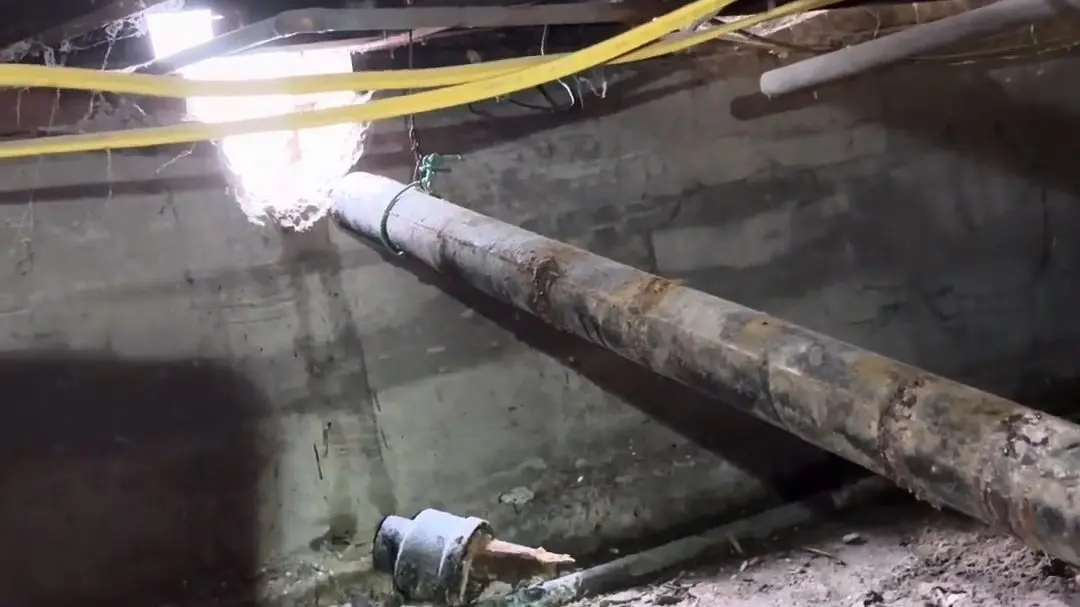
Altadena's older neighborhoods are tough on traditional sewer replacement. Bungalow Heaven, Janes Village, Mariposa, Christmas Tree Lane, and the streets around them have mature canopy trees, established landscape, decorative hardscape, and the kind of charm that homeowners actively want to preserve. Digging a 50-100 foot trench from the street to the house, ripping out plants and hardscape, and trying to restore it afterward can cause more damage than the failed sewer itself.
Trenchless sewer methods exist specifically for this kind of situation. The methods aren't new (they've been used widely since the 1990s), but they remain underappreciated by homeowners who haven't faced sewer replacement before. This guide explains how the two main trenchless methods actually work and when each is right.
The two main trenchless methods
Trenchless sewer replacement comes in two primary techniques.
Pipe bursting pulls a new pipe through the path of the old one, breaking the old pipe outward into the surrounding soil as the new pipe advances. The new pipe is HDPE (high-density polyethylene), fused together to create a single continuous run with no joints. After the work is done, the old pipe pieces remain in the soil around the new pipe.
CIPP lining (cured-in-place pipe) inserts a flexible felt or fiber tube saturated with epoxy resin into the existing pipe. The tube is inflated to press against the pipe walls and the resin is cured (with heat, steam, or UV light) to form a hard new pipe inside the old one. The original pipe stays in place but is now lined with a structural new pipe.
Both methods work and both have appropriate applications. The choice between them depends on the condition of the existing pipe and the specific job conditions.
How pipe bursting actually works
The pipe bursting process for a typical residential sewer lateral takes 1-2 days end to end.
Day 1 morning: setup. We dig two small access pits, one at each end of the run to be replaced. The launch pit is typically at the house cleanout or basement; the receiving pit is typically at the city main connection at the curb or sidewalk. Pits are usually 3-4 feet square and 4-6 feet deep depending on pipe depth.
The new HDPE pipe is fused together on the surface in one continuous length matching the run to be replaced. Fusion takes place with a specialized fusion machine that heats the pipe ends and presses them together to form a single homogeneous joint.
Day 1 afternoon or Day 2: bursting. A bursting head is pulled through the old pipe from the receiving pit toward the launch pit by a cable or chain. The head splits the old pipe outward into the surrounding soil while simultaneously pulling the new HDPE pipe into place behind it. The bursting process happens in one continuous pull, typically taking 2-4 hours for residential lengths.
After bursting, the new pipe is connected to the house cleanout and the city main. The access pits are backfilled. Surface restoration is concentrated at the two pit locations rather than along the full run.
How CIPP lining actually works
CIPP lining is a different technique with different requirements.
Day 1 morning: setup and preparation. The existing pipe must be cleaned thoroughly first to ensure good liner adhesion. We hydro-jet the line, removing roots, scale, and debris. Camera inspection confirms cleanliness.
Day 1 afternoon: liner installation. The fiber liner saturated with resin is inverted (turned inside out) and pushed or pulled through the existing pipe using water or air pressure. The liner expands to press against the pipe walls along the entire length.
Day 2: curing. The resin is cured using heat (hot water or steam through the liner) or UV light depending on the resin chemistry. Curing takes 4-8 hours depending on conditions.
Day 2 afternoon: trim and connection. After curing, the liner ends are trimmed at the entry points and the system is reconnected. The liner forms a structural pipe that's 1/8 to 1/4 inch thinner than the original pipe diameter but functionally a complete new pipe.
When each method is right
Pipe bursting and CIPP lining have different ideal applications.
Pipe bursting works best when:
The existing pipe is severely damaged (collapsed sections, major breaks, significant misalignment).
The existing pipe is clay tile or cast iron with extensive joint failures.
You want a slightly larger pipe diameter than the original (bursting can upsize during replacement).
The pipe path is straight enough for the bursting head to follow (severe bends complicate bursting).
CIPP lining works best when:
The existing pipe has structural integrity (cracks and roots but no collapsed sections).
The pipe path has bends that bursting wouldn't follow cleanly.
You want minimum surface excavation (CIPP needs only one access point in many cases).
The line has been recently cleared and inspected so its condition is verified.
For older Altadena clay laterals with widespread failure, pipe bursting is more often the right answer because the original pipe is too damaged for CIPP. For newer concrete or asbestos-cement laterals with more localized failure, CIPP is often appropriate.
What trenchless costs vs traditional
We covered residential sewer pricing in detail in our sewer line replacement cost post. The short version:
Pipe bursting typically runs 30-50% more per linear foot than traditional dig-and-replace.
CIPP lining typically runs 25-40% more per linear foot than traditional.
The trenchless premium is for the specialized equipment, materials, and technique. The premium is offset by reduced surface restoration cost, preserved landscape and hardscape, and shorter project timelines.
For typical SGV residential jobs with established landscape, hardscape over the line, or mature trees the homeowner wants to keep, the net cost of trenchless including restoration savings often comes out lower than traditional. The math is property-specific.
When traditional dig is still the right call
Trenchless isn't always the answer.
Properties with open lawn and no hardscape or landscape concerns can often be replaced traditionally at lower cost.
Properties where the existing pipe is in such poor condition that even pipe bursting won't follow it cleanly (severe collapses, major misalignment) may require traditional excavation.
Properties where the city tie-in requires significant work in the street regardless of method may not benefit as much from trenchless.
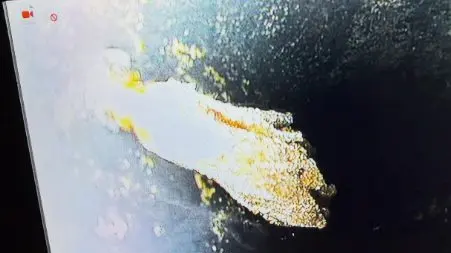
For specific assessment of which method is right for your property, camera inspection comes first. We run video through the existing line to see condition, identify failure modes, and verify pipe geometry. From there the method recommendation is clear.
What to expect on the day of work
For most trenchless residential jobs:
Day before: utility locate is performed to mark electric, gas, and other underground utilities along the work path.
Day of work morning: crew arrives, sets up equipment, opens access pits or excavation points. Existing sewer is taken out of service for the duration of the work (you'll need to plan for not using water during the actual replacement phase).
Mid-day: actual pipe bursting or CIPP installation. This is the part where the new pipe goes in.
Afternoon: tie-in connections, pressure or smoke testing to verify integrity, inspection by permit authority.
End of day: service restored. Surface restoration concentrated at the access points.
Day after: any remaining surface restoration. Landscape adjustments or concrete patching where excavation occurred.
For trenchless sewer repair and replacement work across Janes Village, Mariposa, East Altadena, and the surrounding older neighborhoods, call (626) 687-0217. We come out, do camera inspection first, then explain what method is right and why.