Pinhole Leaks in Copper: Why Mid-Century Altadena Homes Are Seeing Them Now
Copper supply lines were the gold standard in mid-century home construction. So why are 1950s-1970s SGV homes developing pinhole leaks at increasing rates? Here's what's happening and how to think about repair decisions.
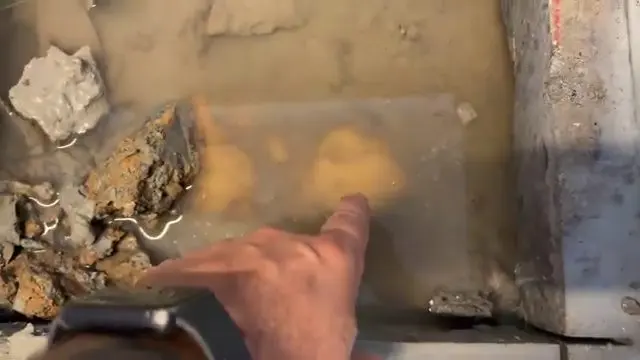
For decades, copper was considered the best supply pipe material available: durable, code-approved, sanitary, and capable of 50+ year service life. Mid-century SGV homes built between 1955 and 1980 almost universally used copper for both supply and (often) drain venting. Those installations should have decades of life left.
And yet pinhole leaks in mid-century copper are showing up at increasing rates across the SGV. Some homes that seemed indestructible are developing their first pinhole leak at 50-60 years of service. The pattern is real and it has explanations that go beyond simple aging.
What pinhole leaks in copper actually are
A pinhole leak is exactly what it sounds like: a tiny perforation in the pipe wall, often no bigger than a pinhead. Water escapes through it in a thin spray or steady drip depending on water pressure and hole size. The hole itself is small, but the leak can be continuous for weeks or months before it's noticed if it's in a hidden location.
Pinhole leaks in copper develop from inside the pipe rather than outside. The copper wall corrodes from the water side, gradually thinning until a perforation forms. By the time you see water on the outside, the corrosion has been progressing inside for some time.
This is different from galvanized failure (which corrodes systemically) and different from copper failure from mechanical stress (which produces cracks, not pinholes). Pinhole leaks have specific causes.
What causes copper pinholes
Three main causes show up in mid-century copper failure.
Type M (thin-wall) copper. Copper supply pipe comes in three wall thicknesses: Type K (thickest), Type L (medium), and Type M (thinnest). Type M was code-approved for residential use in many jurisdictions during the mid-century period and was widely used because it was less expensive. Type M holds up well under normal conditions but has less wall thickness to lose before perforation. Mid-century homes built with Type M are reaching the point where decades of slow corrosion are thinning the wall to failure.
Water chemistry. Local water chemistry interacts with copper differently in different service areas. Foothill aquifer water serving much of Altadena has moderate hardness and mineral content. Combined with the chlorination and pH adjustment that municipal water providers do, the water is generally compatible with copper. But over 50-70 years of continuous exposure, even compatible water gradually accelerates copper corrosion. Hot water lines are exposed to higher temperatures that compound the effect.
Electrolytic stress and stray current. Copper pipe in contact with dissimilar metals (galvanized fittings, steel hangers, copper-to-iron junctions at water heaters) experiences galvanic corrosion at the contact point. Add stray electrical current from improperly bonded electrical systems and the corrosion accelerates significantly. Many mid-century homes have one or more of these issues that have been quietly corroding the copper for decades.
The combination of these factors hits some homes hard and others barely at all. Which is why two identical 1965 ranch houses next door to each other can have radically different copper condition.
Where pinholes show up first
Pinholes follow recognizable patterns within a home.
Hot water lines fail before cold lines, by a wide margin. Heat accelerates the underlying corrosion chemistry. Most mid-century copper failures we see are on hot lines.
Pipes running horizontally fail at the bottom of the pipe more often than the top, because debris and sediment settle there during low-flow periods and accelerate localized corrosion.
Pipes near bends, elbows, and tees see more turbulence and thus more localized stress. These are common pinhole locations.
Pipes embedded in concrete slab (common in mid-century construction) are exposed to additional chemistry from the concrete. Slab-embedded copper sees pinhole rates noticeably higher than copper in walls or attics. The slab leak situation we covered in our slab leak warning signs post is essentially the same failure mode, just hidden under the slab.
One leak vs systemic failure
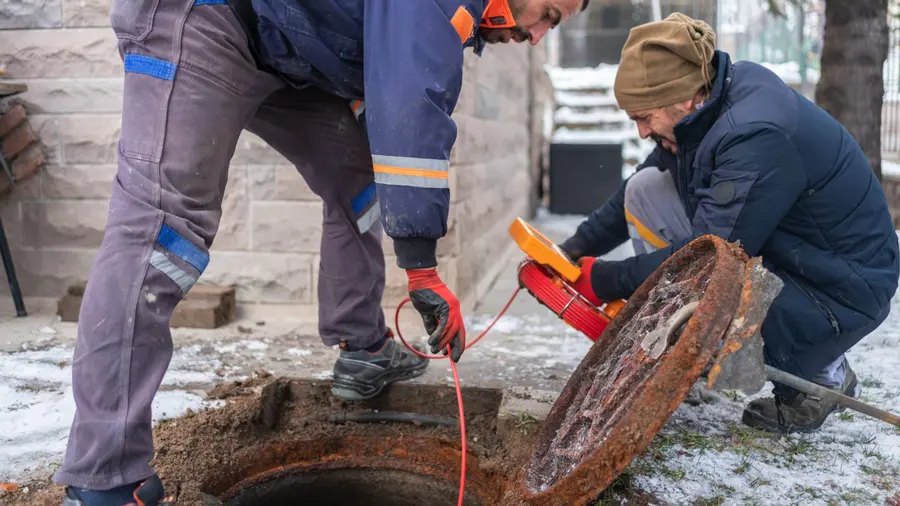
The critical question after a copper pinhole leak is whether it's an isolated failure or the first sign of a system-wide problem.
An isolated failure is one pinhole in 50-60 years with no other symptoms. The rest of the pipe is in good shape on visible inspection. Water chemistry is favorable. No dissimilar-metal contact points are stressing the system. In these cases, a spot repair is reasonable and the system likely has many more good years.
Systemic failure shows different patterns. Multiple pinholes within a few years. Visible green-blue corrosion staining at fittings. Discolored water (slight blue-green tint from copper corrosion byproducts). Recurring slow drips at various locations. When these patterns show up, the underlying conditions are continuing to affect the rest of the system. Patching individual leaks becomes a losing strategy.
The honest signal between the two: how soon does the second leak appear? One leak in 20 years that's truly isolated will probably not be followed by another for many more years. One leak followed by a second within 12-18 months strongly suggests systemic failure.
Repair options and what they cost
Spot repair: cut out the leaking section, solder in a new piece, restore service. Typical cost $400-$1,200 depending on access. Right for isolated failures.
Section reroute: bypass a longer pipe run with new pipe through a more accessible route (often through attic or above the ceiling). Cost $2,000-$5,000 depending on length and access. Right when a particular run is clearly failing but the rest of the system is sound.
Full repipe: replace the entire supply system with new pipe. Cost $5,500-$9,000 for typical 2-3 bedroom homes (PEX) or 50-70% more for copper. Right when the system shows clear signs of broader failure or you want to end the question entirely.
For mid-century homes specifically, full repipe with PEX is often the right long-term answer once systemic failure is established. PEX isn't subject to the same pinhole corrosion mechanism as copper. We use copper-to-PEX transitions at fixtures and water heater connections to maintain appearance and compatibility.
What to do if you have copper and want to know what to expect
Three useful steps for any owner of a mid-century home with original copper.
First, look at exposed pipe at the water heater and under sinks. Visible green-blue oxidation streaks or staining on the outside is a sign of slow corrosion at or near the surface. Heavy staining suggests advanced condition.
Second, check water for slight blue-green tint, especially first thing in the morning after sitting overnight. Copper corrosion byproducts in the water are an indicator.
Third, get a diagnostic visit if you see signs or want a baseline. Pressure testing and visual inspection of accessible runs give clear information. Cost is modest and the information helps you plan.
Most mid-century homes across The Meadows, Pasadena, Glendale, and Arcadia will get more good years from their copper. But the failures are real, and catching them early matters. Call (626) 687-0217 if you've seen a pinhole leak and want an honest read on what to expect next.