Slab Leak Warning Signs: A Mid-Century Homeowner's Guide to Spotting Them Early
If you own a 1955-1980 ranch home in the SGV — common across The Meadows, East Pasadena, Glendale, much of Arcadia — your supply lines are probably copper embedded in slab. Hot water lines fail first. Catching the early signs saves real money and water.
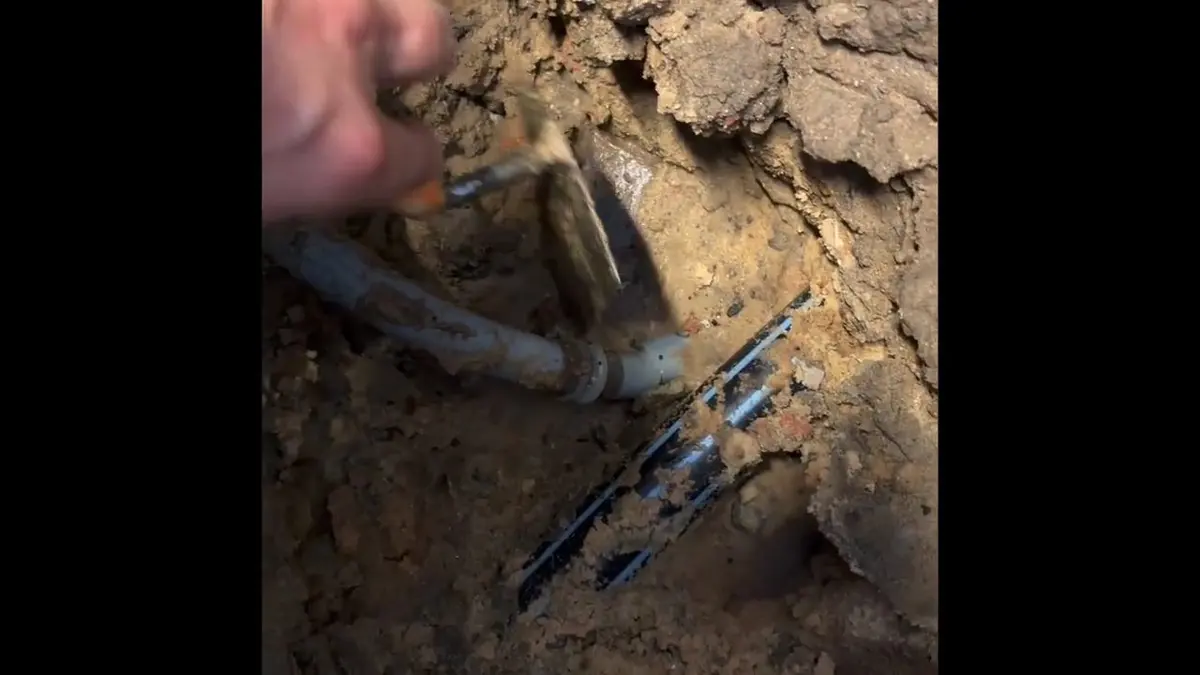
A slab leak is a leak in a water supply line that runs through, under, or embedded in a concrete slab foundation. In SGV mid-century homes, the supply lines are usually copper, installed when the homes were built between roughly 1955 and 1980. Those copper lines are now 45-70 years old. They're at the age where hot water lines start failing first, often without much warning if you don't know what to look for.
Detection caught early is straightforward and the repair is contained. Detection caught late means thousands of dollars of wasted water, possible structural damage, and bigger repair work. Knowing what to watch for matters.
Why slab leaks happen in mid-century homes
The 1955-1980 housing boom across the SGV used slab-on-grade foundation construction with copper supply lines routed through or under the slab. It was a code-compliant standard installation method for the era. The copper itself wasn't defective. What's happening now is end of expected service life plus accelerating factors specific to embedded installation.
Copper inside concrete is exposed to subtle chemistry: minor electrolytic reactions with the concrete, vibration and thermal expansion stress, and minor water chemistry effects from the local foothill aquifer water. Over 40-60 years, these add up. Tiny pinholes develop. Once one forms, more usually follow at other points in the system over the next few years.
Hot water lines fail first by a wide margin. Heat accelerates the underlying chemistry and the expansion-contraction stress, so hot lines reach failure roughly 5-15 years before cold lines from the same install. If you're seeing a slab leak in a mid-century home, the odds are heavily it's a hot line.
The most common warning signs
Six signs come up most often in actual slab leak calls.
Warm spots on the floor. A hot water line leaking under the slab warms the concrete directly above the leak. On tile, hardwood, or vinyl, this presents as a noticeably warm patch you can feel through socks or bare feet, often in a spot that doesn't have any obvious reason to be warmer than the rest of the floor. This is the single most reliable early sign.
Unexplained water bill increase. Water bills creeping up 20-50% without changes in household use is a classic slab leak signal. The leak loses water continuously, day and night, often for weeks before you notice on the floor or anywhere else.
Sound of water running with everything off. Turn off every fixture in the house, stand in a quiet room, and listen near the floor or near plumbing walls. A faint continuous sound of running or trickling water often indicates a leak somewhere in the system that's continuously flowing.
Reduced water pressure. A significant leak diverts water away from fixtures. Pressure drop at the kitchen sink, shower, or hose bibs without an obvious cause can signal a hidden leak.
Cracks in flooring or foundation. Long-term slab leaks cause moisture to migrate into the slab and surrounding foundation. Hairline cracks in tile floors, ceramic that loosens or shifts, hardwood that cups or warps, or drywall cracks that appear without a clear cause can all signal water intrusion from below.
Damp or musty smells. Trapped moisture under flooring and behind baseboards develops a recognizable musty smell over time. If a room consistently smells damp without visible water, the leak might be below the slab.
How we actually find slab leaks
Detection uses a combination of techniques, usually in this order.
Pressure testing. Isolating the hot and cold systems and pressurizing each separately confirms there's a leak and identifies which system it's on. This is the first diagnostic step.
Acoustic listening. Specialized listening equipment picks up the sound of water escaping under pressure. A trained ear can localize most leaks to within a few feet using acoustic methods.
Thermal imaging. Infrared cameras show temperature differences in the slab. Hot water leaks create characteristic warm patterns that are visible on thermal imaging even when not visible to bare skin.
Tracer gas detection. For harder-to-find leaks, we can introduce a tracer gas (typically hydrogen-nitrogen mix) into the system. The gas escapes at the leak point and surfaces through the slab where it can be detected with a gas-sniffer probe. This is used when acoustic and thermal methods can't pinpoint the exact location.
Detection typically takes 1-3 hours for residential work. After detection, the repair decision follows.
Repair options once a leak is found
Three options exist for slab leak repair, each appropriate to different situations.
Spot repair. Cut through the slab at the leak location, replace the affected pipe section, patch the slab. This is the lowest-cost option (typically $1,500-$3,500 depending on access and slab condition) and works well when you have a single isolated leak. The risk: if the rest of the system is similarly aged, more leaks may follow at other points within a few years.
Reroute. Abandon the leaking pipe section in place, run a new line through walls or attic to bypass the slab section. Reroute costs more than spot repair ($3,000-$6,000 typically) but avoids cutting the slab and addresses the risk of nearby pipe sections failing. We often recommend reroute when a homeowner has had two confirmed slab leaks in the same system within a few years.
Repipe. Replace the entire supply system with new PEX or copper, routing through walls and overhead. This is the most thorough option and ends the recurring leak cycle for the next 40-60+ years. Cost runs $5,500-$9,000 for typical 2-3 bedroom homes. The right call when slab leaks are recurring or the system is broadly aged. See our repipe guide for more detail on full system replacement.
What it costs to ignore a slab leak
The numbers aren't subtle. A small slab leak can lose 50-200 gallons per day continuously. At local water rates, that's $50-$200/month in wasted water alone. Add the structural damage from prolonged moisture exposure, the potential for mold growth in adjacent walls, and the eventual flooring damage, and the cost of ignoring a slab leak for a year or more often exceeds the cost of detection plus repair.
Insurance varies. Some policies cover sudden plumbing failures and the resulting damage but not the pipe repair itself. Some cover both. Some exclude slow leaks. Check your specific policy before assuming coverage.
If you suspect a slab leak right now
Three immediate steps.
First, check your water meter when no fixtures are running. If the small dial is moving, you have an active leak somewhere in the system. This doesn't prove it's under the slab, but it confirms a leak exists.
Second, walk barefoot through the house and feel for warm spots. Hot water slab leaks announce themselves through the floor.
Third, get an honest diagnostic visit. Slab leak detection typically runs $200-$400 depending on house size and access. The diagnosis is contained and gives you actionable information whether the answer is patch, reroute, or full repipe.
Mid-century SGV homeowners across The Meadows, Pasadena, Glendale, and Arcadia see slab leaks regularly as their housing stock ages. Catching them early matters. Call us at (626) 687-0217 if you're seeing any of the signs above.