Hydro Jetting in Altadena, CA
High-pressure water sewer line cleaning. The right tool for recurring clogs, grease-heavy lines, and restoring older pipes to full flow. Camera-verified before and after.
Hydro jetting is high-pressure water cleaning of sewer lines and large drains. Water exits a specialized nozzle at 1,500-4,000 PSI, with the spray pattern designed to scour the pipe interior in a 360-degree arc as the nozzle is pulled back through the line. The result is dramatically different from snaking: where a cable snake pokes a hole through a clog and clears a path for water to flow around the remaining material, jetting removes the material entirely and restores the pipe's full interior diameter. For Altadena homes with recurring mainline issues, grease-heavy kitchen drains, or older clay laterals that have been collecting buildup for decades, jetting is the right tool.
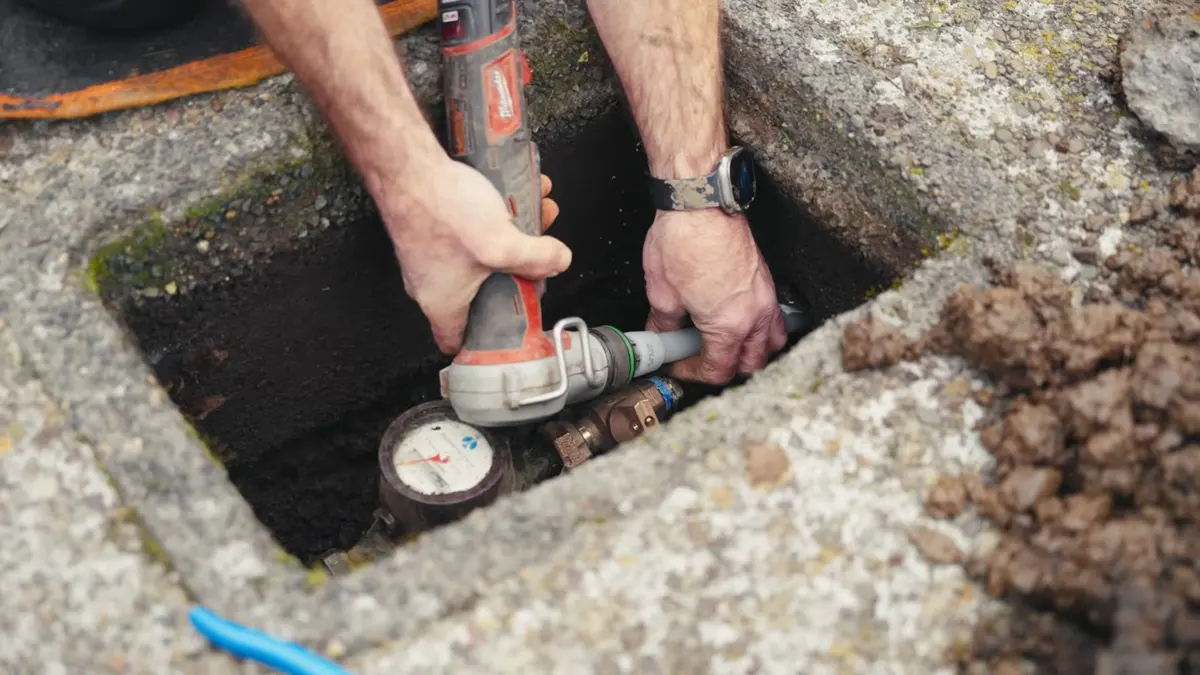
What hydro jetting actually does
The mechanism is straightforward. A hose carries water from a trailer-mounted pump (typically delivering 18-25 gallons per minute at 3,000-4,000 PSI) to a nozzle inserted into the sewer line through an existing cleanout. The nozzle has multiple ports angled rearward, producing a backward spray that both propels the nozzle forward through the line and scours the pipe walls behind it. As the technician retrieves the hose, the nozzle pulls back through the cleaned section while the spray pattern strips away whatever was on the pipe walls.
That mechanical action handles things snaking can't. Grease coatings get blasted off pipe walls instead of having a cable carve through their center. Root masses get cut and flushed instead of leaving stubs that regrow quickly. Mineral scale and biofilm that develops over years in older clay or cast iron pipe gets removed instead of remaining as a flow restriction.
When jetting is the right tool
Jetting isn't the right answer for every drain call. We recommend it specifically when the situation calls for it.
Recurring mainline clogs
If we've snaked your mainline once and the clog returned within a few months, snaking again isn't going to fix the underlying issue. Jetting removes the material that snaking left in place and resets the clock. This is the most common reason to jet in Altadena's older neighborhoods.
Grease-heavy kitchen drain lines
Older kitchen drain lines accumulate grease coatings that gradually narrow the pipe over years. Snaking opens a tunnel through the grease but leaves most of it on the walls, so flow restoration is partial and short-lived. Jetting removes the coating and restores full flow.
Root intrusion in mainlines
Cable cutting roots leaves stubs that regrow. Hydro jetting cuts the root mass and flushes it out, leaving a cleaner surface inside the pipe. Roots will return through the same joint failure point eventually, but jetting buys more time between callbacks than cable cutting alone. We also recommend addressing the joint failure itself when access allows.
Pre-camera inspection preparation
For homes where a sewer scope is needed (real estate transactions, planning a remodel, suspected structural issues), jetting cleans the line so the camera can see what's actually there. Without it, the camera shows buildup, not pipe condition.
Restoring older pipes to full flow
Cast iron drains in pre-1960 Altadena homes accumulate decades of corrosion and biofilm on the interior. Jetting these lines (when they're structurally sound) restores flow capacity and extends useful life before repipe becomes necessary.
Our jetting process, step by step
Every mainline jetting job follows the same sequence:
Initial camera inspection. Before we jet, we scope the line to confirm it's structurally sound, identify the type of buildup we're dealing with, and document the starting condition. If the pipe has serious damage (collapse, separation, severe corrosion), we recommend repair instead.
Pressure selection. We adjust jetting pressure based on pipe material and condition. PVC and modern systems take full pressure. Older clay and cast iron get a more moderate setting that cleans effectively without stressing weakened joints.
Jetting from cleanout to main connection. We feed the hose through the cleanout, advance it to the city tap or as far as the line goes, then retrieve while spraying. Multiple passes if needed.
Verification camera scope. After jetting, we re-camera the line to confirm full cleaning and document the result. You see before-and-after on the same monitor.
Discussion of findings. If the camera shows underlying issues (root entry points, sagging sections, joint failures), we walk through what we saw and what the options are. Cleaning solves the immediate flow problem; structural issues need separate repair planning.
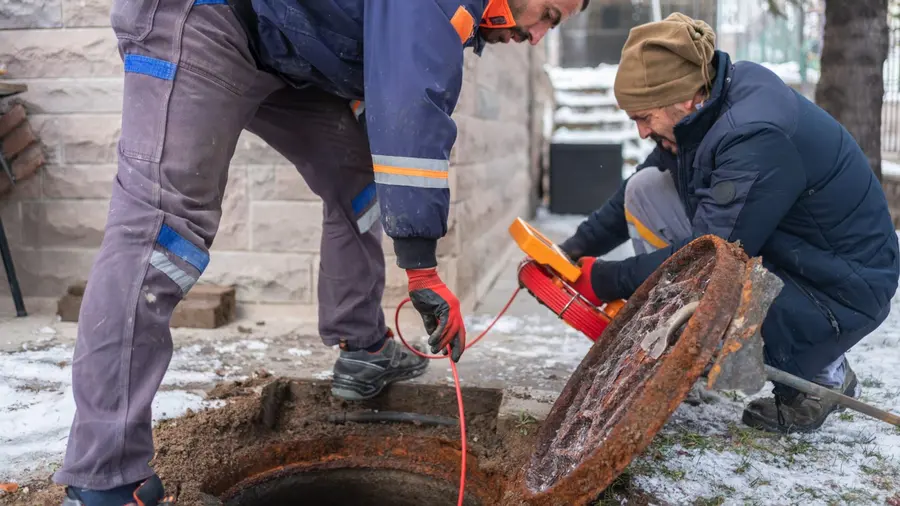
Cost of hydro jetting in Altadena
Typical price ranges (Altadena / SGV market, 2026)
Kitchen drain line jetting: $350 - $650.
Mainline hydro jetting (single line): $450 - $1,200.
Mainline jetting with before/after camera: $650 - $1,400.
Commercial line jetting: Quoted by line length and use case.
Root cutting + jetting combination: $700 - $1,500.
Emergency jetting (after-hours): Add $85 - $175 dispatch fee.
Camera inspection is included on most mainline jetting jobs. We don't charge separately for confirming the work was effective.
Other sewer and drain work we handle alongside jetting
Jetting often pairs with related work: sewer line camera inspection for real estate transactions and pre-remodel scoping, root removal with mechanical cutters for severe intrusion, sewer line repair when jetting reveals structural issues, cleanout installation for properties without accessible access points, and backwater valve installation for properties downhill from municipal sewer infrastructure. We also provide annual or biannual jetting maintenance plans for commercial kitchens and high-use facilities. For SGV sanitation district context, see the LA County Sanitation Districts.
Frequently asked questions
What exactly does hydro jetting do?
Hydro jetting forces water through a specialized nozzle at 1,500-4,000 PSI, with the spray pattern designed to scour the entire pipe interior 360 degrees. It removes grease coatings, root mass, scale buildup, and biofilm that cable snaking leaves behind. The result is a pipe restored to close to its original interior diameter.
When should I choose hydro jetting over snaking?
Choose jetting when clogs keep coming back, when the line has known grease or scale buildup, when a camera has shown coating along the pipe wall, or when an older clay or cast iron line needs to be returned to full flow. Snaking is fine for occasional clogs in otherwise clean pipe.
Is hydro jetting safe for older pipes?
On structurally sound pipe, yes. On pipe with existing cracks, severe corrosion, or partial collapse, jetting can worsen the damage. We camera-inspect any older line before jetting and adjust pressure to match what the pipe can take. If the pipe is too compromised for jetting, we recommend repair instead.
How long does hydro jetting last before clogs come back?
On a structurally sound line, properly jetted, results typically last 18-24 months or longer for grease-related clogs. Root-related clogs may return in 12-18 months if the root entry points aren't repaired. We pair jetting with camera inspection so you know what the underlying conditions are.
Do you camera inspect before and after?
Yes, on every mainline jetting job. We camera the line first to confirm the pipe can handle jetting and to identify any structural issues. We re-camera after jetting to verify the line is fully cleaned and to document the result. You see the before-and-after on screen.
How much does hydro jetting cost in Altadena?
Mainline hydro jetting in Altadena typically runs $450-$1,200 depending on line length, access, and severity. Kitchen drain jetting (smaller lines) runs $350-$650. Camera inspection is included on mainline jobs. We give a firm price after the initial camera scope.
Will jetting damage my landscape or driveway?
No. Jetting is performed through an existing cleanout or roof vent. We don't excavate. There's no digging, no landscape disturbance, and no driveway impact. The water used during jetting discharges into the sewer line being cleaned, so there's no surface runoff either.