California Title 17 Backflow Testing: What SGV Homeowners Need to Know
If you have an irrigation system, pool, or fire suppression system at your home, California Title 17 requires annual backflow testing of your assembly. Here's what that means, what it costs, and what happens if you ignore the requirement.
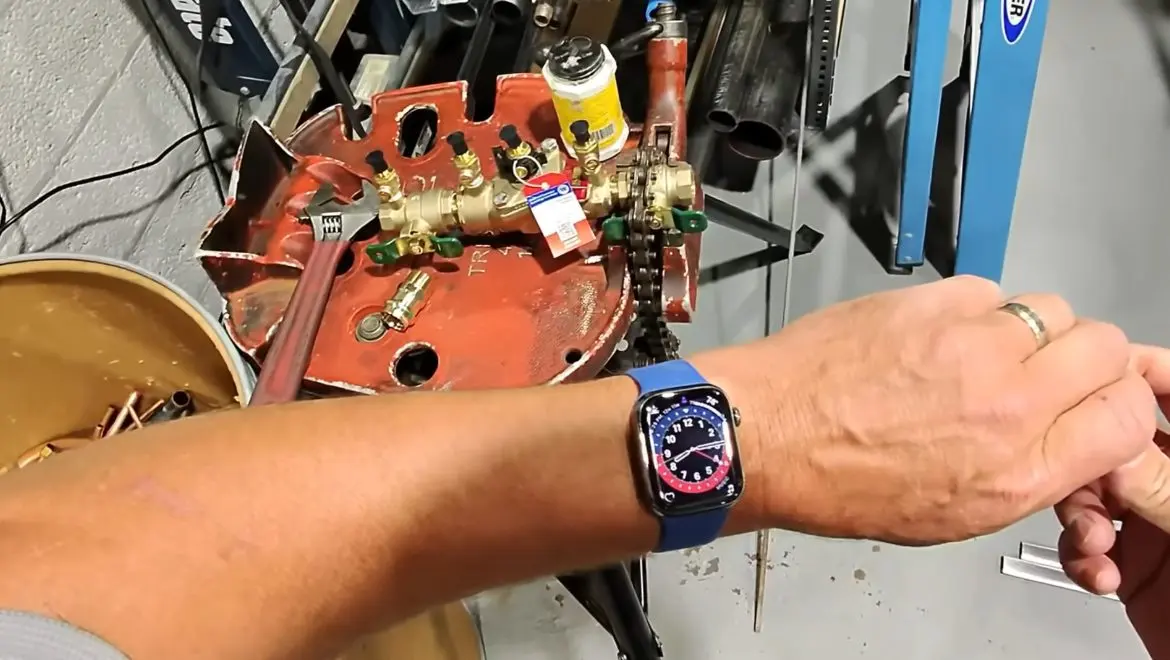
If your water provider has sent you a notice about backflow testing in the past year, you have a backflow prevention assembly somewhere on your property that's regulated under California Code of Regulations Title 17. The notice isn't a sales pitch from your water provider; it's a regulatory requirement with real consequences for ignoring it.
Most SGV homeowners with the requirement either don't know what backflow testing is, find the topic confusing, or don't realize how easy it is to handle. This guide explains what's actually required, why it exists, and how to handle the annual testing efficiently.
What backflow is and why it matters
Backflow is the reverse flow of water from your property's plumbing back into the public water supply. Under normal conditions, water flows from the city main to your home. But under certain conditions — a sudden drop in main pressure (during a water main break, for example), a high-pressure event in your home plumbing, or simple gravity from elevated tanks — water can flow backward.
Backflow becomes a public health issue when contaminated water from your property flows back into the public supply where it can reach neighbors. Irrigation systems can contain water with fertilizers, pesticides, and animal waste. Pool plumbing can contain chlorinated and chemically treated water. Fire suppression systems can contain stagnant water that's been sitting in pipes for years. Industrial and commercial properties can contain much worse.
Backflow prevention assemblies physically prevent reverse flow. They have check valves that close when reverse pressure tries to push water backward, isolating the property's plumbing from the public supply.
What Title 17 actually requires
California Code of Regulations Title 17 (commonly called Title 17) governs cross-connection control and backflow prevention. The relevant requirements for SGV homeowners:
Properties with backflow prevention assemblies installed (most properties with irrigation systems, pools, or fire suppression) must have their assemblies tested annually.
Testing must be performed by a tester certified by AWWA, USC, or another recognized program.
Test results must be reported to the water provider on the form the provider supplies.
Assemblies that fail testing must be repaired or replaced and re-tested before the deadline (typically 30 days from the original test or as specified in the violation notice).
Failure to comply can result in water service termination after appropriate notice.
Who actually has the requirement
Most SGV residential properties don't need testing because they don't have backflow assemblies. The requirement applies if you have:
An automatic irrigation system with backflow prevention installed at the connection to your domestic water. Almost all in-ground sprinkler systems installed in the past 30+ years have this. If you have automated lawn or landscape watering, you almost certainly have an assembly that needs testing.
A swimming pool with auto-fill that connects to the domestic water supply through a backflow assembly. Most pools installed in the past 25+ years have this.
A residential fire suppression system (typical in newer luxury construction, common in La Vina and some Country Club Drive area homes). Always requires backflow protection.
Certain water features or hose connections with backflow protection installed at specific connections.
Properties without these features generally don't have backflow assemblies and don't need Title 17 testing. The simplest way to know is whether your water provider has sent you a testing notice.
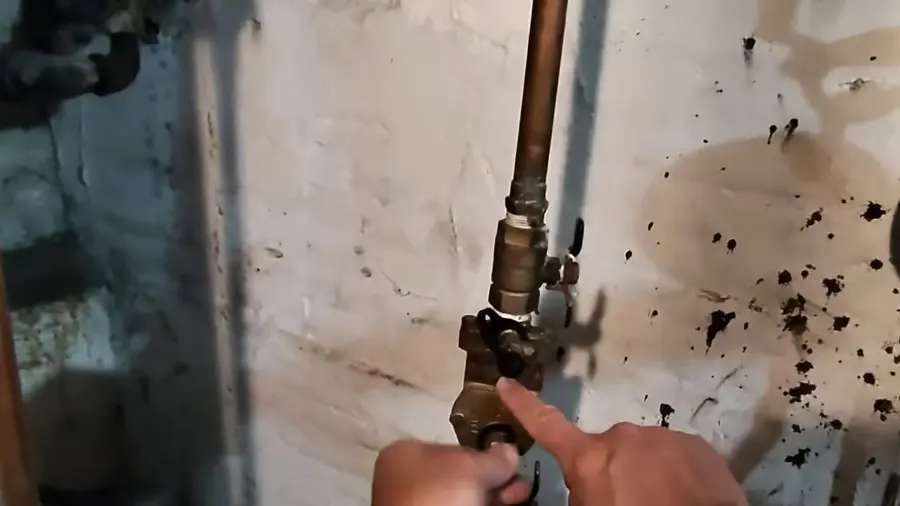
What testing actually involves
Annual backflow testing takes 30-60 minutes per assembly and follows a standard procedure.
The tester arrives, locates the assembly, and connects calibrated test gauges to the assembly's test cocks (small valves on the assembly designed for testing). Each check valve and relief valve in the assembly is tested individually for proper closure and seal under reverse pressure conditions.
Test results are recorded on the form your water provider supplied. If everything passes, the form is signed and submitted; you're done for the year.
If something fails, the tester documents the failure and explains what's needed. Common failures include worn check valve seals (usually $150-$400 to repair), failed relief valves (similar cost), or full assembly replacement if multiple components have failed (typically $400-$1,200 for replacement plus reinstallation).
What it costs
Annual backflow testing for a single residential assembly typically runs $75-$150 in the SGV. Multiple assemblies on the same property (irrigation plus pool, for example) usually get a bundled rate that's lower per assembly.
Repair costs when assemblies fail testing vary widely depending on what's wrong: $150-$400 for typical valve repair, $400-$1,200 for full assembly replacement, $200-$600 for relief valve replacement.
The expensive part of backflow management isn't the annual testing; it's the consequences of letting it lapse.
What happens if you don't test
Water providers send testing notices typically 30-60 days before the testing deadline. Most homeowners who miss the deadline get a second notice or warning. Continued non-compliance leads to:
Violation fees added to your water bill (varies by provider, typically $50-$200).
Service warnings or limited service.
Ultimately, water service termination after multiple notices and a hearing process.
Beyond the regulatory consequences, an untested assembly is also unverified. If it's actually failing, your property is potentially backfeeding contaminated water into the public supply with no protection. The Title 17 requirement exists because the public health risk is real.
How to handle the annual cycle
The most efficient approach for most homeowners:
When you receive the annual testing notice, call a certified tester (most plumbing companies have certified testers on staff). Schedule the test before the deadline on the notice.
Make sure the assembly is accessible. Move any plants, landscape rocks, or other items that might block access.
The tester comes out, performs the test, fills out the form, and submits it to your water provider. Many testers handle the form submission electronically; some give you the form to submit yourself.
Keep a copy of the test results for your records. If you sell the home, the buyer's inspection may ask about backflow testing history.
If the test fails, the tester explains what's needed and provides a repair quote. Schedule the repair within the time window specified in your notice (usually 30 days). Re-test after repair and submit updated forms.
For SGV homeowners needing backflow testing or installation, call (626) 687-0217. We have certified testers on staff and can handle the annual cycle plus any repairs or replacements that come up. Most testing visits are scheduled within a few days of the call.