Toilet Repair & Installation in Altadena, CA
Running toilets, weak flush, flange repair, low-flow upgrades, and new installation. All major brands across Altadena and the SGV.
Toilet repair and installation covers the full range of toilet work: fixing what's already there, replacing aging units, and installing new toilets in new construction or remodels. Most toilet problems are small and fix in under an hour with parts from the truck. Some require the toilet to come off the floor for flange or seal work. And a small share of calls turn out to be the toilet exposing a downstream sewer problem, which is a different kind of fix entirely. Knowing which is which keeps the cost reasonable.
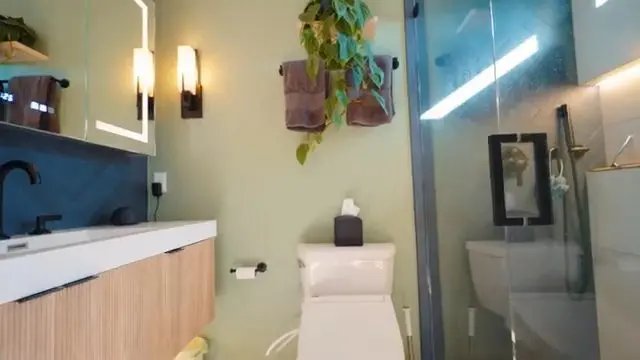
Common toilet problems we diagnose
Toilets fail in a small set of predictable ways. Once you've worked on enough of them, the symptom usually tells you the cause before the tank lid comes off.
Constantly running
By far the most common toilet call. The water in the tank slowly leaks past the flapper into the bowl, and the fill valve runs to keep the tank topped up. The most frequent specific cause is a worn or warped flapper. Less often, it's a stuck fill valve, a chain holding the flapper partially open, or a damaged flush valve seat that the flapper can't seal against.
The cost of ignoring a running toilet: the running flow can waste 200-500 gallons a day. In LA County water pricing, that adds up fast.
Weak or incomplete flush
The flush starts but doesn't have the force to clear the bowl. Causes include low tank water level (fill valve set too low), mineral scale clogging the rim jets and siphon jet, a flapper that closes too early before the tank empties, or a partial clog in the trapway.
Toilet rocks or leaks at the base
A toilet that moves when you sit on it has a flange or floor issue. The wax ring seal at the base is compromised, and water can leak from the base when flushed. Left alone, this damages the subfloor and eventually leads to costly floor repair.
Phantom flushes
The toilet refills itself periodically without anyone flushing. This is the flapper leaking slowly enough that the fill valve only triggers occasionally. Same fix as a running toilet, just at a slower flow rate.
Whole-house slow flush
When the toilet flushes slow and other drains are slow too, the toilet isn't the problem. There's a partial mainline blockage downstream. The fix is drain cleaning at the main, not toilet work.
Repairs we handle
Most internal toilet repairs use standard replacement parts that work across brands.
Flapper replacement. Universal flappers and brand-specific flappers (Kohler, American Standard, Toto, etc.) covered. Most replacements complete in 15-30 minutes.
Fill valve replacement. The fill valve controls when the tank refills. Modern Fluidmaster-style universal fill valves work in most older toilets and fix a range of refilling issues.
Flush valve replacement. When the flapper seat itself is damaged, the entire flush valve assembly needs replacement. This requires draining the tank and removing it.
Flange repair or replacement. Pulling the toilet, repairing or replacing the closet flange, resetting with a new wax ring, and remounting. About 90 minutes for accessible flanges.
Supply line and angle stop replacement. The braided supply line connecting the wall valve to the toilet, and the angle stop itself. Both can fail with age.
Wax ring replacement. When the base seal alone has failed without flange damage, replacing the wax ring during a re-set fixes the leak.
When repair vs replace makes sense
The math is usually clear once we see the toilet.
Repair when: The porcelain is sound, the failure is internal (flapper, fill valve, flush valve), the toilet is post-1994 and using 1.6 GPF or less (or using 1.28 GPF if you want to keep it), and you like the toilet.
Replace when: The porcelain is cracked, the toilet predates 1994 and uses 3.5 GPF or more (water cost will exceed replacement cost over a few years), multiple recent repair calls have added up, or you're remodeling and want to upgrade anyway.
For pre-1994 toilets, California's water conservation pricing makes replacement an easy call. New high-efficiency toilets use 80% less water per flush and most can pay for themselves through reduced water bills within 3-5 years.
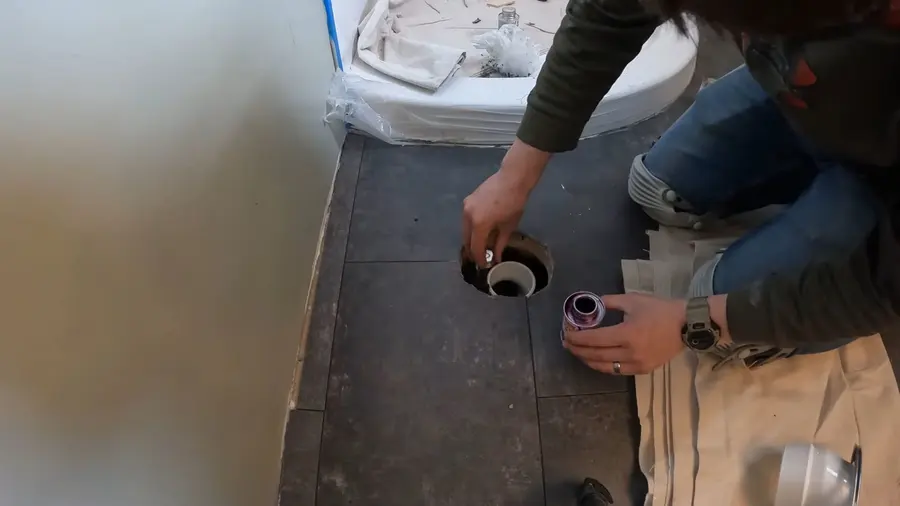
Installation process
New toilet installation, whether replacement or new construction, follows the same sequence. We remove the old toilet (if applicable), inspect the closet flange and floor for damage, replace the flange or repair as needed, install a new wax ring (or rubber gasket on modern installs), set the new toilet, level it with shims if the floor isn't perfectly flat, attach to the flange with closet bolts, connect the supply line to a new angle stop if the old one is suspect, fill the tank, and test for leaks at every connection.
Low-flow upgrade installs typically include a new toilet (1.28 GPF or dual-flush), new wax ring, possibly a new angle stop and supply line, and disposal of the old toilet. Many Altadena and SGV cities offer water conservation rebates for high-efficiency toilet upgrades; we can point you to current rebate information through the local water provider.
Cost of toilet work in Altadena
Typical price ranges (Altadena / SGV market, 2026)
Flapper or fill valve replacement: $150 - $300.
Flush valve replacement: $250 - $450.
Wax ring replacement (re-seat): $200 - $400.
Flange repair or replacement: $300 - $650.
Supply line and angle stop replacement: $175 - $375.
Standard toilet replacement (mid-grade toilet + install): $500 - $900.
Premium toilet replacement (high-efficiency / dual-flush / comfort-height): $700 - $1,400.
New installation with drain rough-in (new construction or location change): $1,500 - $3,500.
Prices vary by brand and the condition of the existing flange and floor. We give a firm quote after assessing the actual situation.
Other bathroom work we handle
Beyond toilet work, we handle related bathroom plumbing: shower valve repair and replacement, tub and shower drain repair, vanity faucet and supply line replacement, sink P-trap and drain repair, bidet installation and bidet-toilet combo setup, ADA-compliant comfort-height toilet upgrades for accessibility, and full bathroom remodel plumbing. We coordinate with bathroom remodelers and tile contractors on larger renovation projects. For California water conservation rebate information, the EPA WaterSense program and local water districts publish current rebate amounts.
Frequently asked questions
Why does my toilet keep running?
The most common cause is a worn flapper that no longer seals against the flush valve, letting water leak from the tank to the bowl. The fill valve continuously refills the tank to replace what's leaking, so it runs. Other causes are a stuck fill valve, a chain that's too short and holding the flapper open, or a damaged flush valve seat. Most fixes take under an hour.
My toilet flushes weakly. What's wrong?
Weak flush usually traces to one of: low water level in the tank (adjust the fill valve), mineral buildup in the rim jets and siphon jets, a partial clog in the trapway, or a flapper closing too early. We diagnose by tank inspection, jet flow check, and auger if needed.
When is it time to replace the toilet instead of repair?
Replace when the porcelain is cracked, when the bowl rocks despite proper flange bolts (indicating flange or floor damage), when the toilet is older than 1994 (pre-low-flow standards and water-wasting), or when multiple repair calls add up to more than a new unit. Repair when the porcelain is sound and the failure is a serviceable component.
What's a low-flow toilet and should I upgrade?
Low-flow toilets use 1.28 gallons per flush (GPF) or less, compared to 3.5+ GPF for older toilets. Modern low-flow designs flush effectively without the weak-flush reputation of early 1990s units. California's water conservation policies and SoCal drought pricing make low-flow upgrades pay for themselves over a few years.
What is a toilet flange and when does it need repair?
The closet flange is the round fitting that secures the toilet to the floor and connects to the drain pipe below. It needs repair or replacement when the toilet rocks, leaks at the base, or when the flange has rusted or cracked. Flange repair often involves removing the toilet, replacing the flange (or using a repair ring), resetting with a new wax seal, and remounting.
How long does toilet installation take?
Standard like-for-like toilet replacement takes 60-90 minutes. New installation in a previously-unplumbed location requires drain rough-in and supply line work that takes a full day or more depending on access. Two-piece toilets install slightly faster than one-piece units due to easier handling.
How much does toilet work cost in Altadena?
Common repairs (flapper, fill valve, flush valve) run $150-$350. Flange repair runs $300-$650. Standard toilet replacement (labor + mid-grade toilet) runs $500-$900. Premium toilet installation (high-efficiency, dual flush, or comfort-height) runs $700-$1,400. New installation with drain rough-in runs $1,500-$3,500.